
Bronx County Storm Branch Removal Safety Steps

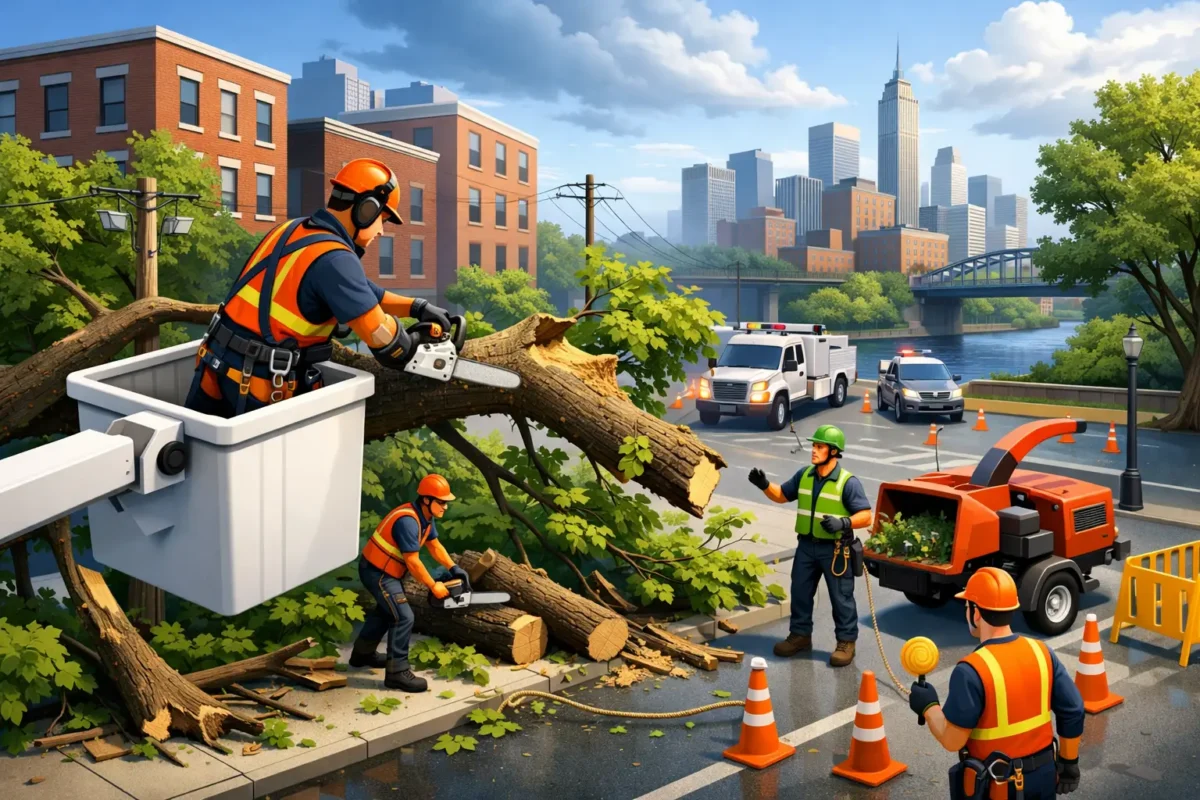
A branch can look harmless after a storm until the next gust sends it through a window, across a driveway, or onto a power line. Bronx County storm branch removal is not just a cleanup task. It is a safety decision that affects your family, your building, your vehicles, and the people walking near your property.
Storms can break healthy-looking limbs without bringing down the entire tree. Heavy rain softens soil, wind twists weak branch unions, and snow or ice adds weight where a tree can least handle it. The visible damage may be only part of the problem. A cracked limb still hanging in the canopy can fail hours or days later, often when you assume the danger has passed.
Start With Safety, Not Cleanup
Before you pick up a saw, look at the full scene from a safe distance. Check for hanging limbs, split trunks, uprooted roots, damaged fences, blocked entrances, and branches resting on roofs or utility lines. Keep children, pets, tenants, and visitors away from the area until you know it is safe.
If a branch is touching or close to a power line, stay back. Do not try to move it with a pole, ladder, rope, or pruning tool. Even a damp branch can conduct electricity. Contact the utility provider and keep everyone clear until the line is addressed.
A branch on a roof also deserves caution. Walking on a storm-damaged roof creates a fall risk, and pulling a limb from the ground can tear shingles, gutters, flashing, or siding. If the limb is large, suspended, or embedded in the roof, professional removal is usually the safer and less costly choice than attempting a quick fix.
For small limbs already on open ground, you may be able to move them after confirming there are no overhead hazards. Wear gloves, sturdy shoes, eye protection, and long sleeves. Drag branches instead of carrying long pieces where possible, and never use a chainsaw if you are not trained to manage kickback, tensioned wood, and unstable footing.
When Storm Branch Damage Is an Emergency
Not every fallen branch requires an emergency crew. A small limb in the back of the yard can often wait for routine cleanup. But some conditions should be treated as urgent because the branch may cause immediate injury or property damage.
Call for emergency help when a limb is on a home, garage, vehicle, fence, or commercial building. Act quickly if it blocks a driveway or fire exit, hangs over a walkway, is tangled in utility lines, or has created a sharp split in the remaining tree. A tree that is leaning farther than it did before the storm, lifting soil around its base, or shedding large limbs needs a prompt professional assessment.
For property owners, the risk is not limited to your own household. A damaged tree over a sidewalk, parking area, shared drive, or tenant entrance can create a serious liability issue. Secure the area as best you can without approaching the hazard, then arrange removal before people begin using the space again.
Hanging Branches Are Often More Dangerous Than Fallen Ones
A limb on the ground has already released its energy. A broken limb caught high in the canopy has not. Arborists often call these “hangers” or suspended limbs, and they can drop with little warning.
Do not stand below a hanging branch to inspect it. Avoid parking beneath it, and do not shake the tree or throw objects at the limb. Wind, vibration, or a change in temperature may be enough to bring it down. This is work for a trained, insured crew with the right climbing, rigging, and cutting equipment.
Why Bronx County Trees Fail After Storms
Storm damage is rarely random. Mature trees may carry old pruning wounds, deadwood, weak branch attachments, or decay that is hidden inside the trunk. A storm simply exposes the weak point.
Common causes include crowded limbs that rub together, long heavy branches extending over a roof, and narrow V-shaped connections where two stems grow too tightly together. Trees can also become unstable after extended rain when saturated soil loses its grip on the root system. In winter, snow and ice can overload evergreens and broad-spreading limbs that have not been properly maintained.
The best response depends on the tree’s condition. Sometimes only the damaged branch needs to be removed with a clean, proper cut. In other cases, a split leader, extensive decay, or root movement means the whole tree is no longer safe. Honest tree care means explaining that difference. Removing more than necessary costs you money, but leaving a structurally unsafe tree behind can cost far more after the next storm.
What Professional Storm Branch Removal Includes
Professional storm work begins with a risk assessment, not a chainsaw. A qualified crew looks at where the branch is resting, what it may strike if it moves, whether the trunk or roots are compromised, and how to lower material without causing a second accident.
Depending on the job, the crew may use controlled rigging to lower a limb in sections, climb the tree, or bring in specialized equipment for difficult access. The goal is to protect the structure, preserve the healthy portion of the tree when possible, and keep workers and bystanders out of the drop zone.
After the branch is down, cleanup matters. Branches can hide broken glass, roofing material, nails, and other sharp debris. A thorough service removes the debris, clears access areas, and can identify whether additional pruning, cabling, stump grinding, or tree removal is needed. If the tree is otherwise sound, targeted pruning may reduce future wind resistance without stripping the canopy or harming the tree.
AAA Tree Service NY provides 24/7 emergency response for storm-damaged trees and branches, along with free estimates for non-emergency work. With more than 26 years of experience, the focus is on removing the actual hazard safely, not pushing work your property does not need.
Avoid These Common Post-Storm Mistakes
The urge to handle the mess immediately is understandable, especially when a branch blocks part of your yard or driveway. Still, a few shortcuts create many of the injuries seen after storms.
Do not use a ladder with a chainsaw. Do not cut a branch that is bent, twisted, or trapped under another object. Wood under tension can spring suddenly when cut. Avoid pulling limbs with a vehicle, too. The branch can snap back, drag down more of the tree, or damage the vehicle and surrounding property.
Resist the temptation to top a damaged tree by cutting back every major limb. Severe topping leaves large wounds, encourages weak regrowth, and may make the tree more hazardous later. Proper pruning removes broken and poorly attached material while preserving the tree’s natural structure where it is safe to do so.
You should also document visible damage before cleanup if a branch has hit your structure, vehicle, or fence. Take photos from a safe location and contact your insurer if appropriate. Emergency mitigation should not wait for paperwork, but clear records can help with your claim.
Prevent the Next Storm Branch Problem
You cannot control wind, rain, ice, or lightning. You can reduce the chance that a neglected branch becomes a major emergency. Regular tree inspections are especially worthwhile for trees near homes, driveways, sidewalks, parking areas, and utility service lines.
Look up periodically for dead branches, cracked unions, peeling bark, cavities, mushrooms near the base, and limbs extending heavily over the roof. These signs do not always mean a tree must come down, but they are reasons to schedule an assessment. Pruning deadwood and correcting overextended branches before storm season is usually safer, easier, and less disruptive than emergency work in bad weather.
For commercial properties, include tree checks in routine exterior maintenance. Your tenants, customers, delivery drivers, and visitors should not have to walk under damaged limbs because an issue was left for later.
When a storm leaves branches behind, trust what you see and do not take chances with what you cannot see. Keep the area clear, avoid power lines and suspended limbs, and get experienced help for anything near your home or building. A fast, careful response today can prevent the next gust from turning storm debris into a much bigger loss.