
Can You Trim Trees in Winter? When It’s Safe

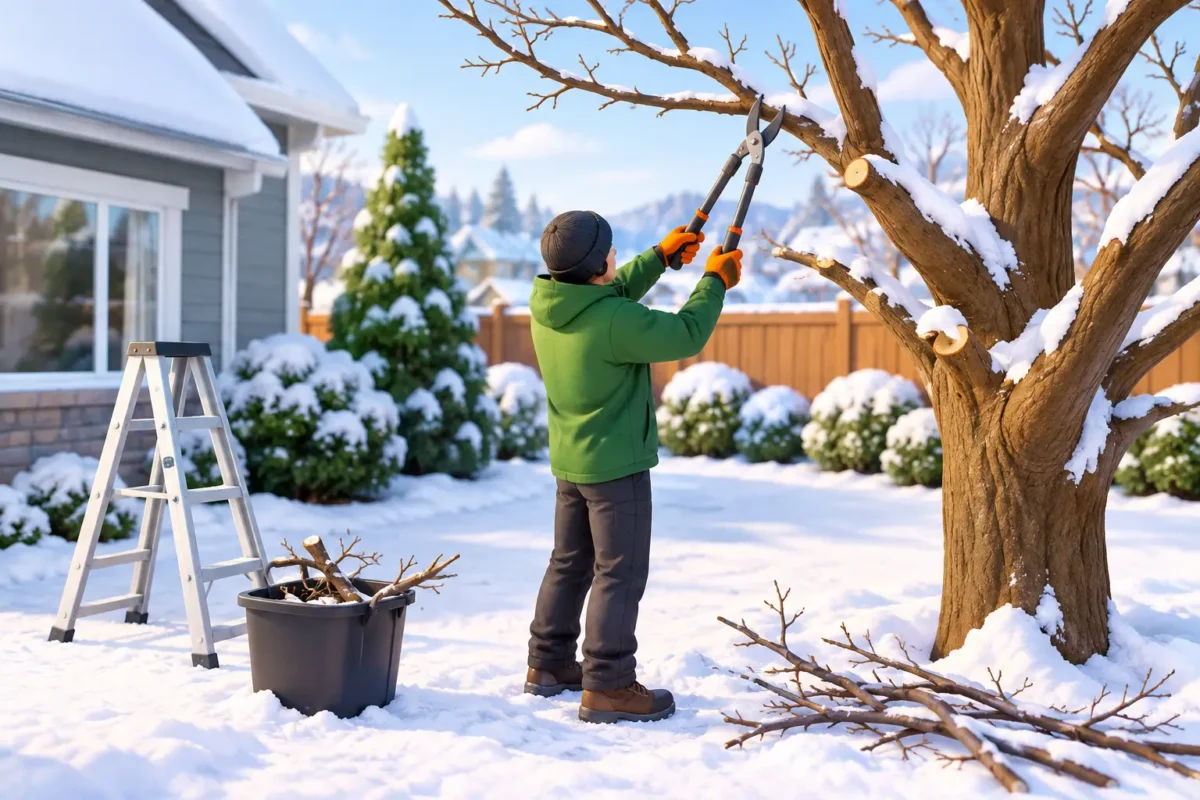
A heavy limb does not wait for spring to become dangerous. If it is hanging over your roof, driveway, sidewalk, or power line, the question is not whether can you trim trees in winter. The question is whether the work can be done safely before snow, ice, or the next windstorm turns a weak branch into property damage.
For many trees in New York, winter is one of the best times for planned pruning. Deciduous trees are dormant, their branch structure is easier to see, and there is less risk of spreading certain pests and diseases. But winter trimming is not automatically safe for every tree, every day, or every homeowner. Frozen ground, icy limbs, and storm-damaged trees can make a routine job hazardous fast.
Can You Trim Trees in Winter? Usually, Yes
Dormant-season pruning generally takes place after leaves have fallen and before spring growth begins. For many hardwoods, that makes late fall through late winter a practical window for removing dead, rubbing, overcrowded, or poorly placed branches.
Without leaves blocking the view, a trained crew can better assess the tree’s structure. It is easier to identify crossing limbs, old storm damage, weak branch attachments, and limbs growing toward a house or service line. Winter work can also be less disruptive to your lawn and landscaping when the ground is firm or protected properly.
That said, a tree does not need to be pruned just because it is winter. Healthy trees should be trimmed for a clear reason: safety, clearance, structure, health, or removal of deadwood. Cutting live branches without a plan can create wounds, encourage weak regrowth, and leave the tree less stable over time.
Why Winter Pruning Can Be a Smart Choice
The biggest advantage is visibility. A bare canopy gives you and your tree professional a much clearer picture of what is actually happening above your property. A limb that looked harmless in summer may be visibly cracked, hollow, or hanging over the roof once the leaves are gone.
Winter pruning can also reduce the chance of disease transmission for certain species because many insects and pathogens are inactive. This is especially helpful when pruning oaks, which should generally be avoided during periods when disease-carrying insects are active. Local conditions and the tree species still matter, so timing should be based on the specific tree rather than a calendar alone.
There is also a practical storm-prevention benefit. Removing dead branches and reducing overextended limbs before heavy snow and ice arrive can lower the chance of breakage. It will not make a tree storm-proof, but it can reduce the amount of vulnerable wood above your home, vehicles, walkways, and neighboring property.
When to Wait for Better Conditions
Winter trimming should be postponed when conditions make the work unsafe or likely to harm the tree. High winds, freezing rain, deep ice, and unstable snow-covered ground are obvious concerns. A ladder on frozen ground is dangerous, and a saw operator cannot safely predict how an ice-loaded branch will move when cut.
Extremely cold temperatures can be a concern as well. Wood becomes more brittle, and branches may snap unexpectedly instead of responding cleanly to a controlled cut. The right timing may be a dry, calm winter day after a cold stretch, not the middle of an active storm.
You should also wait if the tree is under visible stress and the pruning is not urgent. Severe drought damage, recent construction injury, or a major pest problem may call for an assessment first. Pruning is not a cure-all. Sometimes the safest and most honest recommendation is to leave a stable tree alone until the proper season or until its health can be evaluated.
Trees That Need Special Timing
Not all trees respond the same way to winter cuts. Maples and birches may “bleed” sap if pruned in late winter. It can look alarming, but it is usually not harmful. Still, if appearance matters or the tree is already stressed, another pruning window may make more sense.
Spring-flowering trees such as lilac, magnolia, and some ornamental cherries are another trade-off. Winter pruning may remove flower buds, meaning fewer blooms in spring. If the branches are safe and not interfering with a structure, waiting until after flowering is often the better choice.
Evergreens need a different approach. Removing dead, broken, or hazardous evergreen limbs can be appropriate in winter, but aggressive cutting into old bare wood may not fill back in. Topping an evergreen or cutting it back hard to reduce height often creates long-term problems instead of solving them.
Fruit trees are commonly pruned during dormancy, but they need species-specific cuts to support healthy growth and fruit production. A few random cuts can reduce next season’s crop or create dense, weak sprouts. If the goal is better fruit production rather than hazard reduction, use a professional who understands the tree’s growth habits.
Do Not Ignore These Winter Warning Signs
A dormant tree can hide problems in plain sight. Call for an inspection if you see several of these signs, especially after snow, ice, or strong winds:
- A cracked, split, or hanging limb over your home, driveway, entrance, or sidewalk.
- A branch resting on a utility line or growing into the service line to your house.
- Fresh wood exposed after a limb breaks, particularly if the remaining branch is torn or partially attached.
- A tree that has suddenly begun leaning, lifted soil at the base, or visible root damage.
- Large dead limbs, mushrooms near the base, deep trunk cavities, or peeling bark combined with dieback in the canopy.
A broken limb over a target is not a weekend pruning project. Keep people and vehicles out of the drop zone. If a tree or branch is touching a power line, stay clear and contact the utility company or emergency professionals. Never try to pull, cut, or move it yourself.
What Safe Winter Tree Trimming Looks Like
Good pruning is selective. The goal is not to strip the canopy or make every branch the same length. A qualified crew removes dead or damaged limbs, makes cuts at proper branch unions, and preserves the tree’s natural structure whenever possible.
For a homeowner, small branches that can be reached safely from the ground may be manageable with clean, sharp hand tools. Once a job requires climbing, a ladder, a chainsaw overhead, or work near wires, the risk changes completely. Winter adds slick footing, cold hands, bulky clothing, and brittle wood to an already dangerous task.
Avoid topping, which means cutting major limbs or the trunk back to stubs. It may seem like a quick way to reduce height, but it often triggers weak shoots, decay, and future breakage. A properly planned reduction cut is different and should be based on the tree’s size, condition, species, and location.
Winter Storm Damage Needs a Faster Response
Routine dormant pruning can wait for a suitable day. Storm damage cannot always wait. Snow-loaded branches, split trunks, and trees leaning toward a building need prompt assessment, even if the weather is still cold.
The first priority is protecting people and preventing further damage. Do not stand beneath a hanging limb or park under a compromised tree. Do not climb onto a roof to cut a branch. A branch that appears supported may be under tension, and the cut can cause it to swing, roll, or drop without warning.
For homeowners and small commercial property owners in Albany County and across the region, fast professional help matters most when access roads, entrances, roofs, and utility areas are affected. AAA Tree Service NY provides 24/7 emergency response for hazardous tree situations, along with straightforward recommendations for work that can safely wait.
Plan Ahead Before the Next Storm
Winter is a useful time to inspect the trees around your property, not just react after damage occurs. Look up from your driveway, front walk, play area, parking lot, and roofline. Deadwood, low branches, and limbs extending over a building are easier to spot once the canopy is bare.
If you are unsure whether a limb needs immediate removal or routine pruning, get a professional opinion before cutting. The right winter trim can reduce storm risk, protect your property, and give your trees a healthier start in spring. The wrong cut, or the wrong person making it, can create a much bigger problem than the branch you noticed.