
Emergency Tree Service After an Ice Storm

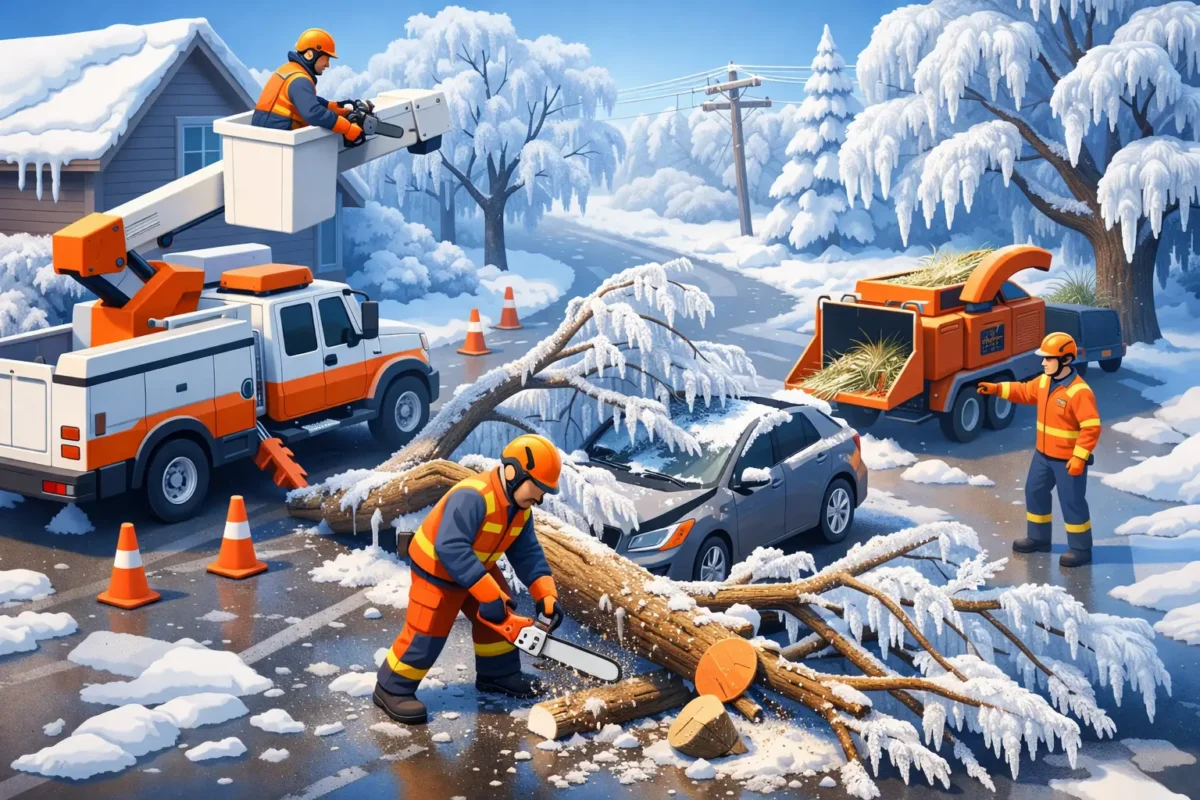
A quarter-inch of ice can turn an ordinary branch into a dangerous load over your roof, driveway, or power line. When you need emergency tree service after ice storm damage, the first priority is not cleaning up the yard. It is keeping people away from unstable trees and getting a clear, professional assessment before a branch or trunk causes more damage.
Ice storms are especially hard on mature trees in New York. The weight builds quickly on limbs, needles, and utility lines, often causing damage that is not obvious from the ground. A tree may still be standing after the storm, but a split leader, cracked limb, or shifting root system can fail hours or days later.
What Makes Ice-Damaged Trees an Emergency?
Not every broken twig calls for immediate removal. Small branches scattered across the lawn can usually wait until conditions improve. The emergency starts when a damaged tree threatens people, buildings, vehicles, access routes, or utility equipment.
Call for professional help right away if a tree or major limb is on your house, garage, fence, car, or business building. The same applies if a tree is leaning farther than usual, the trunk is split, roots are lifting out of the ground, or a large limb is hanging above an entrance, sidewalk, driveway, or play area.
Treat any tree near a power line as a serious hazard. Do not touch the tree, the line, or standing water nearby. Keep everyone back and contact the utility company first if a line is down or damaged. Once the area is made safe, a qualified tree crew can address the tree work.
For commercial properties, the risk is not limited to the building itself. A damaged limb over a customer walkway, parking area, loading zone, or fire lane can create an immediate liability issue. Block off the area if you can do so without entering the danger zone, then arrange emergency service.
What You Should Do Before Emergency Tree Service Arrives
Your actions in the first few hours can prevent a bad situation from becoming worse. Start by keeping people, pets, and vehicles away from the damaged tree. Ice-loaded branches can drop without warning, particularly when temperatures rise and the ice begins to melt.
Look from a safe distance. Take photos for your insurance records, including wide shots that show the tree’s position relative to your home and close shots of visible damage. Do not climb a ladder, get on the roof, or pull on a hanging limb to get a better picture. A branch that looks caught may be under extreme tension.
If a limb has landed on your roof, avoid going into the attic or the room directly below it if you see ceiling cracks, hear shifting, or notice water coming in. If the damage appears to affect the structure, contact your insurance carrier and a qualified roofing professional after the tree hazard is addressed.
Keep your driveway clear only if debris can be moved safely from open ground. Small branches may be manageable with gloves and proper footwear. Leave anything large, elevated, tangled in other limbs, or close to wires alone. The most dangerous storm jobs are often the ones that look like a quick fix.
Why DIY Ice Storm Cleanup Can Go Wrong
A chainsaw is not a solution for a suspended or leaning tree. Ice storms create bent wood, twisted limbs, and branches pinned under load. When one piece is cut, another can swing, roll, snap back, or drop in an unexpected direction.
There is also the issue of access. Snow, ice, muddy ground, and downed debris make ladders and equipment less stable. A homeowner may correctly identify a damaged limb but still have no safe way to reach it or control where it falls.
Professional emergency crews use rigging, controlled cutting methods, protective equipment, and the right machinery for the tree’s location. Sometimes a crane or bucket truck is the safest option. Sometimes the best approach is a careful climb and sectional removal. It depends on the tree, the damage, the ground conditions, and what the tree could strike if it moves.
Honest emergency service also means recognizing when a tree can be monitored instead of removed immediately. A minor limb crack in an open part of the yard may not require an overnight response. A cracked limb over your bedroom or storefront entrance is different. The goal is to address the actual risk, not sell work you do not need.
How Emergency Tree Service After an Ice Storm Works
A safety-first crew begins by evaluating the whole tree, not just the branch that came down. Ice can expose weak branch unions, hidden decay, previous storm damage, and root problems that were already present. This inspection helps determine whether selective limb removal can save the tree or whether full removal is the safer choice.
If a branch is resting on a roof, the crew will work to reduce pressure and remove it in controlled sections. Simply dragging or dropping the limb can cause more roof damage. When a tree has fallen across a driveway or access point, the crew can cut and clear it while protecting nearby structures, pavement, and landscaping as much as conditions allow.
Cleanup matters, but it comes after stabilization. The priority order is generally to secure the hazard, remove dangerous wood, clear necessary access, and then process the remaining debris. Stump grinding and cosmetic pruning can often be scheduled later, once the immediate storm work is complete.
Ask whether the company is licensed and insured, whether it handles emergency work regularly, and how it plans to protect your home and property during removal. A clear explanation is a good sign. You should understand what needs to come down, what can stay, and what the next step will be before work begins.
Signs a Tree May Fail After the Ice Has Melted
The end of freezing weather does not mean the danger is over. In fact, thawing can reveal damage that the ice had been holding in place. Check your property from the ground over the next several days, especially after wind or rain.
Watch for fresh leaning, a new crack in the trunk, split bark, exposed roots, or soil that is heaving around the base. Look up for broken limbs caught in the canopy, often called hangers. These can remain lodged for a while before falling during the next wind event.
Evergreen trees may show broad bending or a permanently spread shape after heavy ice. Some will recover naturally as temperatures rise. Others have broken leaders or damaged tops that should be pruned correctly before decay sets in. Avoid topping the tree or making random cuts. Improper pruning can weaken it further and create more storm problems later.
If you own a commercial property, inspect before reopening every walkway, entrance, and parking area. A small branch over a sidewalk can be enough to injure someone, even when the main tree appears stable.
Prevent the Next Ice Storm Emergency
You cannot stop freezing rain, but regular tree care reduces the chances of major failure. Pruning dead, weak, rubbing, and overextended limbs helps reduce weight in the canopy. Removing dead trees and addressing trees that lean toward a structure can prevent a future emergency call.
Timing depends on the species and the work needed. Routine pruning is often easier and less costly when done before winter storms arrive, but hazardous limbs should not wait simply because the calendar is inconvenient. A professional assessment can help you prioritize the trees that pose the greatest risk to your home, driveway, or business.
AAA Tree Service NY provides 24/7 emergency response for homeowners and property owners dealing with storm-damaged trees. With more than 26 years of experience, the focus is on safe removal, clear recommendations, and getting your property usable again without unnecessary work.
After an ice storm, give damaged trees more respect than they seem to deserve. Stay back, protect the area, and get experienced help when a tree threatens what matters most. Acting early can keep a damaged branch from becoming a much larger repair.