How to Hire a Licensed Insured Tree Company

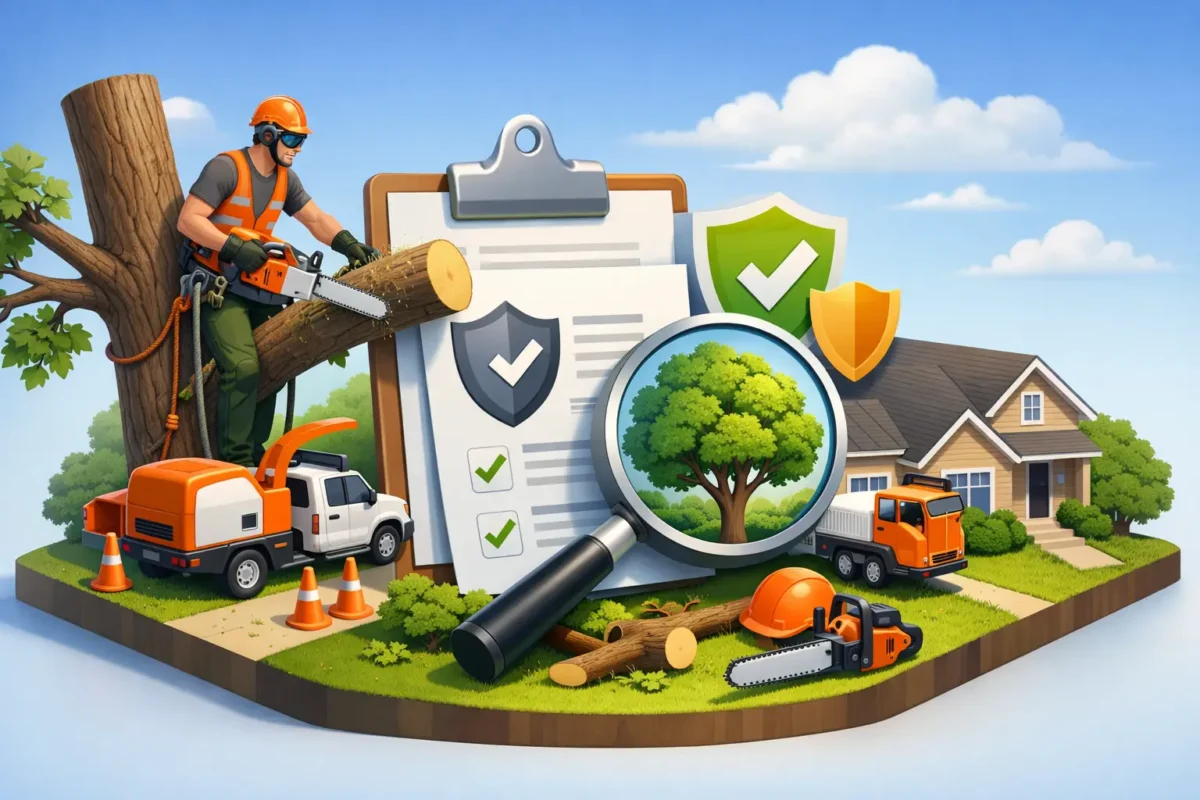
A tree can look fine from the ground and still have a split trunk, decaying roots, or a dead limb hanging over your roof. When you need help, hiring a licensed insured tree company is not a paperwork detail. It is one of the clearest ways to protect your home, your family, and your finances before work begins.
Tree work involves heavy equipment, overhead hazards, power lines, unpredictable wood movement, and fall risks. A low price from an uninsured operator can become very expensive if a branch hits your roof, a worker is injured, or a neighbor’s property is damaged. The right company gives you a clear plan, proof of coverage, and honest guidance about what needs immediate attention.
Why Licensing and Insurance Matter for Tree Work
Tree removal and trimming are not ordinary yard jobs. A mature tree can weigh thousands of pounds, and even a single large limb can cause serious damage when it falls in the wrong direction. Safe work requires proper cutting methods, equipment, crew coordination, and a plan for protecting nearby structures.
Licensing requirements can vary by county, city, or type of work. A properly licensed contractor has taken the steps required to operate where they serve. That does not automatically mean every tree needs removal or that every company offers the same level of experience, but it is a basic sign that the business is accountable.
Insurance matters just as much. If a crew member is hurt on your property or a falling limb damages a fence, vehicle, roof, or neighboring building, you need to know the contractor has appropriate coverage. Without it, you could be pulled into a claim that should have been the contractor’s responsibility.
For homeowners and small commercial property owners, this protection is especially important after a storm. High winds, saturated soil, and broken branches make a damaged tree less predictable. That is not the time to take chances on someone who arrives at your door with a chainsaw and no documentation.
What a Licensed Insured Tree Company Should Provide
A reputable company should be comfortable answering direct questions before you approve the work. You are not being difficult by asking. You are making a responsible decision for your property.
Ask for proof of general liability insurance and workers’ compensation coverage. The company should be able to provide current documentation, not just say they are insured. If a contractor avoids the question, pressures you to skip paperwork, or says a written estimate is unnecessary, treat that as a warning sign.
Your estimate should also explain the work itself. For example, tree removal should state whether the crew will remove the full tree, haul away debris, cut the stump low, or grind the stump. Tree trimming should identify the limbs or areas being addressed and the reason for the work, such as clearing the roof, removing deadwood, or reducing weight on an overextended branch.
Before hiring, make sure you understand these details:
- The company name matches the name on the insurance documents and estimate.
- The scope of work explains what will be removed, trimmed, hauled away, or left on site.
- The crew has a plan for access, nearby utilities, fences, landscaping, and cleanup.
- The price includes any equipment needed, such as a bucket truck, crane, chipper, or stump grinder.
- You know whether permits, road access, or utility coordination may be required.
A clear estimate prevents misunderstandings later. It also helps you compare bids based on the actual work being offered, not just the lowest number at the bottom of the page.
The Lowest Quote Can Carry the Highest Risk
Price matters. Tree service should be affordable, and you deserve a straightforward estimate without inflated recommendations. But an unusually low quote deserves a closer look.
A legitimate tree crew has real costs: trained labor, insurance, safety gear, trucks, saws, chippers, fuel, disposal, and equipment maintenance. If one price is dramatically lower than the others, ask what is missing. The contractor may not be insured, may plan to leave debris behind, or may not have the equipment needed to control the job safely.
This does not mean you should always choose the most expensive company. It means you should compare the scope, the qualifications, and the protection behind each quote. Sometimes a smaller pruning job can be handled without major equipment. Other times, a tree over a house or power line needs a more involved approach. The safest option depends on the tree’s condition, location, and surrounding risks.
An honest company will tell you when a tree can be pruned instead of removed. They will also tell you when delaying the work creates a real danger. You should not be pushed into unnecessary removal, but you should not ignore a clear hazard to save money in the short term.
Red Flags to Watch for Before You Hire
Some warning signs are easy to spot. A contractor may knock on your door immediately after a storm and demand a large cash payment. They may say the work must be done right now but refuse to provide an estimate or insurance information. They may offer to use your homeowner’s insurance as a reason to avoid discussing the price.
Be cautious if someone wants full payment before starting, cannot provide a business name and contact information, or gives vague answers about where debris will go. You should also be wary of aggressive upselling. A broken limb over your driveway may need prompt removal, but that does not automatically mean every tree on the property is dangerous.
Good tree care starts with a practical assessment. Dead limbs, deep trunk cracks, mushrooms at the base, exposed roots, soil lifting around the trunk, and a new lean are all reasons to have a professional look. The answer may be removal, trimming, cabling, monitoring, or no immediate work at all. What matters is getting advice based on the condition of your tree rather than a sales pitch.
Questions to Ask During the Estimate
Use the estimate visit to judge more than the price. Pay attention to whether the contractor looks at the full situation: the tree, nearby structures, power lines, access for equipment, and the condition of the ground.
Ask how the crew plans to bring the tree or limbs down. Ask whether they will use ropes, a bucket truck, climbing equipment, or a crane. For a simple backyard pruning job, the answer may be straightforward. For a large tree close to a home, the plan should show that the crew understands how to control each section safely.
You should also ask about cleanup. Will brush be chipped? Will logs be removed or left for firewood? Will the crew rake the work area? If stump grinding is included, ask how deep they plan to grind and whether surface roots will be addressed. These details affect the final cost and what your property looks like after the job is complete.
For commercial properties, ask how the crew will manage pedestrian areas, parking spaces, tenant access, and traffic around the work zone. A professional team should be able to work efficiently while keeping employees, visitors, and nearby buildings protected.
When Tree Work Cannot Wait
Some tree problems can be scheduled for routine maintenance. Others need fast action. Call for emergency help if a tree or major limb has fallen on a structure, is touching a power line, is blocking access, or is leaning suddenly after wind or heavy rain.
If power lines are involved, stay away from the tree and keep others away. Do not try to pull branches off the line or cut the tree yourself. Contact the utility provider first when necessary, then arrange professional tree service once the area is safe to access.
After a storm, avoid standing beneath hanging branches or walking under a partially broken canopy. A limb can fall hours or days after the weather clears. Take photos from a safe distance for your records, but do not climb, cut, or pull on damaged wood.
AAA Tree Service NY provides 24/7 emergency response and free estimates for property owners who need a fast, safety-first assessment. Whether the job is urgent removal, storm cleanup, trimming, or stump grinding, you should receive a clear recommendation based on the risk in front of you.
Protect Your Property Before the Next Storm
You do not have to wait for a tree to fall before calling for help. Routine trimming can remove deadwood, improve clearance from roofs and driveways, and reduce the chance that heavy limbs fail during rough weather. It is especially worthwhile when you notice branches rubbing against your home, limbs extending over a parked vehicle, or a tree that has changed its lean.
Choose a company that gives you proof, a written scope, and a calm explanation of the work. The right crew will respect your budget while putting safety first. A timely inspection today can prevent a dangerous emergency when the next storm moves through.