Tree Branch Over Roof? What You Should Do

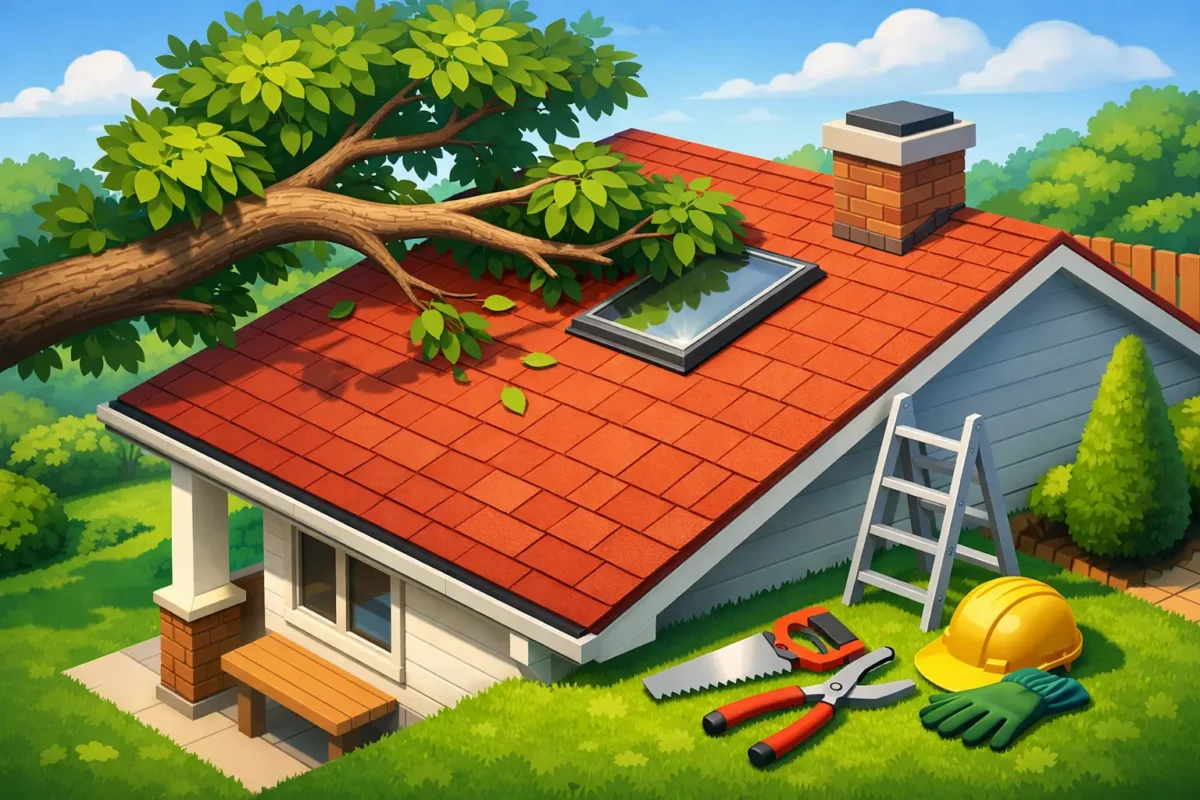
A tree branch over roof might not look like an emergency on a clear afternoon. Then the wind picks up, rain soaks the wood, and that one limb starts acting like a lever over your home. That is when a small concern can turn into broken shingles, roof leaks, gutter damage, or a branch through the attic.
If you have branches hanging over your house, the right response depends on the branch size, tree condition, and how close it is to the roof. Not every overhanging limb needs same-day removal. Some do. The key is knowing the difference before the next storm does it for you.
When a tree branch over roof becomes a real problem
The biggest mistake property owners make is judging risk by whether the branch is touching the roof right now. A limb does not need to rest on shingles to cause damage. If it swings in the wind, drops debris, shades the roof enough to hold moisture, or shows signs of cracking, it is already affecting your property.
Branches that scrape shingles wear away roofing material over time. Even light contact can shorten the life of asphalt shingles and damage flashing. A branch that hangs a few feet above the roof can also break and fall without warning, especially if it is dead, storm-damaged, or loaded with snow or ice.
There is also the issue of what you cannot see from the ground. A healthy-looking limb may have internal decay, a split union, or storm stress from past weather. In New York, where wind, wet snow, and heavy summer storms can hit hard, overhanging branches deserve more attention than many homeowners give them.
Signs your overhanging branch needs quick action
Some situations can wait for scheduled trimming. Others call for fast professional help. If the branch is cracked, partially broken, hollow, dead, or hanging lower than it used to, do not ignore it. The same goes for a branch that has recently shifted after a storm.
You should also move quickly if the tree itself is leaning toward the house, the branch is rubbing the roof, or you see bark splitting where the limb meets the trunk. Large limbs over bedrooms, entryways, driveways, and commercial walkways carry more urgency because the risk is not just property damage. It is personal safety and liability.
If you hear creaking in the wind, notice fresh wood exposed after a storm, or see sawdust-like material from insect activity, those are warning signs too. They do not always mean failure is immediate, but they do mean the branch should be assessed soon.
Should you cut a tree branch over roof yourself?
Usually, no.
This is where homeowners get hurt. A branch over a roof is awkward to access, unpredictable under tension, and often heavier than it looks. Cutting from a ladder is dangerous. Cutting from the roof can be worse, especially on wet shingles or near power lines. Even a small mistake in where or how a limb is cut can send it sliding into the house.
There is also the issue of tree response. Bad cuts can stress the tree, invite decay, and trigger more weak growth later. If the branch is small, easily reachable from the ground with proper tools, and nowhere near utilities or the roofline, that is one thing. But if it is large enough to damage the house, it is large enough to deserve professional equipment and crew control.
A safety-first company will tell you honestly when simple trimming is enough and when the branch or tree needs more serious work. That matters, because not every branch over a roof calls for tree removal.
Trimming vs. removal – what actually makes sense?
Many overhanging limbs can be handled with selective pruning. If the tree is healthy and structurally sound, trimming back the branch to a proper lateral point may solve the issue without changing the whole tree. This is often the best choice when the goal is roof clearance, better airflow, and prevention before storm season.
Removal becomes more likely when the branch is part of a larger structural problem. If the tree is dead, badly decayed, split, uprooting, or has multiple heavy limbs over the house, trimming may only be a short-term fix. In those cases, keeping the tree can cost more over time in repeat service and ongoing risk.
There is no one-size-fits-all answer. A healthy oak with one overextended limb is different from a declining maple with widespread dieback. The right recommendation should be based on the condition of the tree, not a sales script.
What damage can overhanging branches cause?
Most people think first about a limb crashing through the roof. That can happen, but plenty of expensive problems start smaller.
Repeated contact can wear down shingles and granules. Branches can bend or tear gutters, loosen fascia, and damage soffits. Shade from dense limbs can hold moisture on the roof surface longer than normal, which can contribute to moss, algae, and premature aging. Leaves and twigs also clog gutters and downspouts, which can push water where it should not go.
Then there is storm debris. A branch may not fail completely, but smaller limbs can break off and scatter across the roof every time the weather turns. That kind of repeated impact adds up.
For commercial properties and multifamily buildings, the risk extends beyond repairs. If a neglected limb falls on a parked car, entry path, or occupied area, the cost can go far beyond roofing materials.
What to expect during a professional inspection
A proper inspection is not just someone looking up and saying, yes, that branch is too close. A trained crew should look at branch weight, attachment points, species behavior, deadwood, decay, storm history, roof clearance, and access for safe removal or pruning.
They should also consider what is underneath. A branch over a garage may still be serious, but one over a child’s bedroom, front walk, or tenant entrance carries different urgency. The best recommendations are practical, not dramatic. Sometimes the answer is immediate emergency removal. Sometimes it is routine trimming before the next major storm cycle.
For property owners in places like Albany County, Nassau County, Suffolk County, and other parts of New York where strong winds and snow loads are common, local weather patterns matter. Tree risk is not just about the tree. It is about what your region regularly throws at it.
When it becomes an emergency
If a branch has already cracked and is hanging over the roof, treat it as urgent. The same applies if the tree has shifted after a storm, the branch is touching power lines, or part of the limb has already fallen. Keep people away from the area and do not try to pull it down yourself.
Emergency response is also warranted when roof damage has already started, such as punctures, exposed decking, or active leaking after impact. In those situations, the goal is to make the area safe first and prevent more damage.
This is where 24/7 availability matters. Storm damage does not wait for business hours, and a compromised branch over a home should not either.
How to reduce the chance of future roof damage
The best time to deal with a tree branch over roof risk is before it becomes obvious. Routine trimming helps keep limbs clear of the structure and reduces wind load on long, extended branches. It also gives you a chance to catch deadwood, cracks, and weak attachments early.
Timing matters. Some trees respond better to pruning in certain seasons, and some storm-damaged limbs should be addressed right away regardless of season. That is another reason a real inspection helps. You want work done at the right time, for the right reason.
If you have mature trees near the house, it is smart to check them after major storms and at least periodically as part of normal property maintenance. Waiting until a branch is brushing the shingles usually means you have waited longer than ideal.
AAA Tree Service NY works with homeowners and property owners who need honest answers, safe trimming, and fast help when a branch becomes a storm threat. If something over your roof does not look right, trust that instinct and have it checked.
A branch does not need to fall through your home to tell you it has become a problem. Acting early is almost always safer, simpler, and less expensive than dealing with the damage after the fact.