How to Choose Storm Damage Repair Contractors

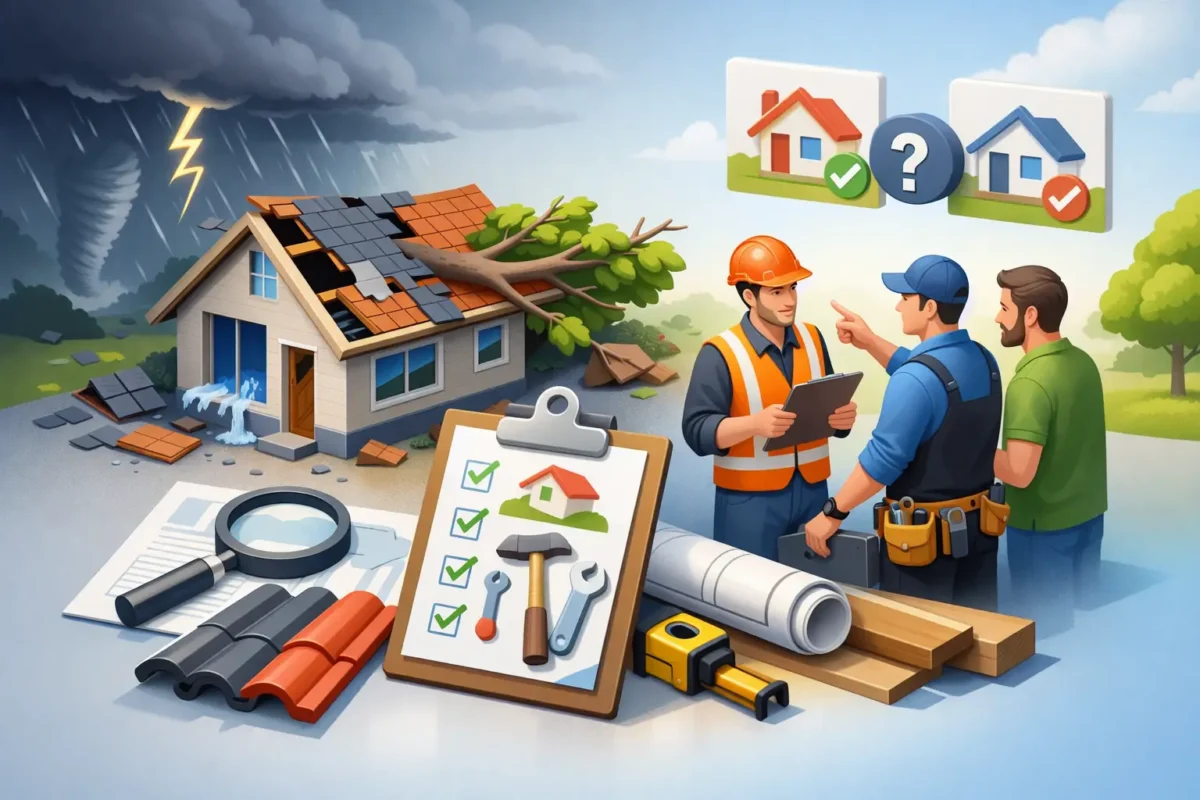
The worst time to figure out who to call is when a tree is already on the roof, a limb is hanging over the driveway, or the yard is blocked after a night of high winds. In that moment, storm damage repair contractors are not just service providers. They are the people standing between your home and a situation that can get more dangerous by the hour.
For homeowners in New York and other storm-prone areas, the pressure is real. You need fast help, but you also need the right help. A rushed decision can leave you with unsafe cleanup, incomplete repairs, extra damage to your property, or a bill for work that never should have been done in the first place. Choosing well matters most when time feels short.
What storm damage repair contractors actually do
The term covers more than one trade, which is where many homeowners get tripped up. After a storm, you may need roofers, siding crews, restoration specialists, electricians, and tree professionals. If a tree has fallen, split, or shifted, that part of the job should be handled by an experienced, insured tree service that knows how to remove storm-damaged trees safely and without creating more damage.
That distinction matters. A general contractor may be able to coordinate repairs to the structure, but they are not always equipped to deal with a cracked trunk leaning over a house or a massive limb tangled near utility lines. Storm cleanup is often a sequence, not a single service. First the immediate hazards need to be controlled. Then the property can be assessed for repairs.
When to call immediately
Some storm damage can wait a day for a scheduled estimate. Some cannot. If you see a tree on the house, a trunk leaning after the storm, roots lifting out of the ground, large cracked limbs, branches over cars or entryways, or any wood touching power-related areas, treat it as urgent.
Even if the tree is still standing, that does not mean it is stable. Wind can weaken a trunk, split a major union, or shift the root plate enough that the next gust finishes the job. Homeowners sometimes assume the danger passed when the rain stopped. In reality, many post-storm failures happen hours later.
If people, vehicles, or access points are at risk, call for emergency help right away. Keep your distance and do not try to cut or move anything heavy yourself.
How to evaluate storm damage repair contractors
Fast response is important, but speed alone is not enough. The right contractor should make you feel like the situation is getting safer, clearer, and more manageable from the first call.
Start with the basics. Are they licensed and insured for the type of work you need? Can they explain what is immediately dangerous and what can wait? Are they willing to give a clear estimate instead of using fear to push extra work? After storms, good contractors are busy, but they should still be able to communicate plainly and set realistic expectations.
For tree-related storm damage, experience matters more than polished sales language. Removing a broken limb from open yard space is one thing. Rigging a damaged tree off a roof without worsening structural damage is another. Ask how they handle hazardous removals, what equipment they use, and whether they have experience with emergency storm cleanup in residential neighborhoods.
Local knowledge also counts. Contractors who understand the weather patterns in your area, the common tree species, and the kinds of storm damage local homes see are often better at spotting risks that others miss. A mature oak, maple, or pine can fail in different ways, and those details affect the cleanup plan.
Red flags homeowners should not ignore
Storms bring out honest local companies and opportunists looking for quick money. The pressure of an emergency makes it easier for bad actors to slip in. A few warning signs should make you pause.
Be careful with anyone who shows up unsolicited and says they were just in the neighborhood. Be cautious if they demand full payment up front, offer no proof of insurance, or push you to sign paperwork before explaining the scope of work. A contractor who cannot describe the safety plan clearly is not the right choice for a dangerous job.
Another red flag is using the storm as a reason to recommend major work with no explanation. Yes, storms can reveal hidden decay or structural weakness. But there should be a practical reason for every recommendation. Honest contractors explain what they see, what the risk is, and why a certain removal, trim, or repair is needed now instead of later.
Why tree damage changes the whole repair process
A lot of storm cleanup starts with the tree, even when the visible damage is to the home. That is because unstable wood can prevent roofers, restoration crews, or insurance adjusters from safely accessing the property. Until the tree hazard is handled, everything else may be delayed.
This is where specialized storm damage repair contractors often overlap with emergency tree services. If a large branch is resting on shingles, gutters, fencing, or a detached garage, the wrong cut can shift weight fast and cause a collapse. If a tree is partially uprooted, the tension in the trunk and limbs can be unpredictable. What looks simple from the ground can turn dangerous the moment someone starts cutting.
A safety-first crew will secure the area, assess the load points, remove weight in a controlled order, and protect the structure during removal. That approach may take a little longer than a rushed cut-and-drag job, but it usually prevents more damage and more expense.
What to ask before you hire
You do not need a long checklist, but you do need direct answers. Ask whether they are licensed and insured, whether they handle emergency work, and whether they have experience with storm-damaged trees near homes. Ask who will be on site, how soon they can respond, and what the first step will be when they arrive.
It is also smart to ask how they separate urgent hazard removal from optional cleanup or longer-term maintenance. A trustworthy contractor will help you prioritize. For example, removing the tree from the roof and clearing a blocked driveway may need to happen now, while stump grinding or noncritical pruning may be scheduled later.
That kind of honesty matters, especially when budgets are tight after a storm. Homeowners appreciate clear recommendations because they reduce stress and make insurance conversations easier.
Insurance, estimates, and realistic expectations
After storm damage, many homeowners are juggling calls to insurance, taking photos, and trying to make quick decisions. A good contractor should support that process, not complicate it.
Get documentation of the damage before work begins if it is safe to do so. Ask for a written estimate that separates emergency hazard work from other services. Keep in mind that insurance coverage varies. Some policies may cover tree removal if the tree caused damage to an insured structure, while cleanup in open yard areas may be treated differently. It depends on your policy and the exact situation.
This is another reason not to hire in a panic. A low verbal quote can turn into a high invoice when the scope was never defined. A professional estimate gives you something clear to compare and something useful to share during claims discussions.
The best contractors help you prevent the next emergency
The strongest storm response companies do more than show up after damage happens. They also help you reduce the odds of going through it again. That could mean removing a dead tree close to the house, thinning overextended limbs, cleaning up cracked branches, or identifying signs of root problems before the next storm season.
Not every tree near a home needs to come down. Sometimes selective trimming is enough. Sometimes a lean is old and stable. Sometimes visible damage is only cosmetic. This is where experience matters. You want a contractor who does not overreact, but also does not downplay a real hazard.
That balance of urgency and honesty is what homeowners should expect. Companies like AAA Tree Service NY have built trust by focusing on exactly that kind of practical, safety-first guidance for residential properties.
Choosing storm damage repair contractors with confidence
When a storm leaves a mess behind, the right move is not just to hire the fastest person who answers the phone. It is to hire a contractor who knows how to make the property safe, explain what is happening, and do the work without gambling with your home.
If trees are involved, treat that part of the job with the seriousness it deserves. Emergency removal, cleanup, and risk assessment are skilled services, not side work. A calm, experienced crew can protect your home now and help you avoid a bigger problem before the next round of bad weather rolls in. Contact Us