Affordable Tree Care Without Costly Mistakes

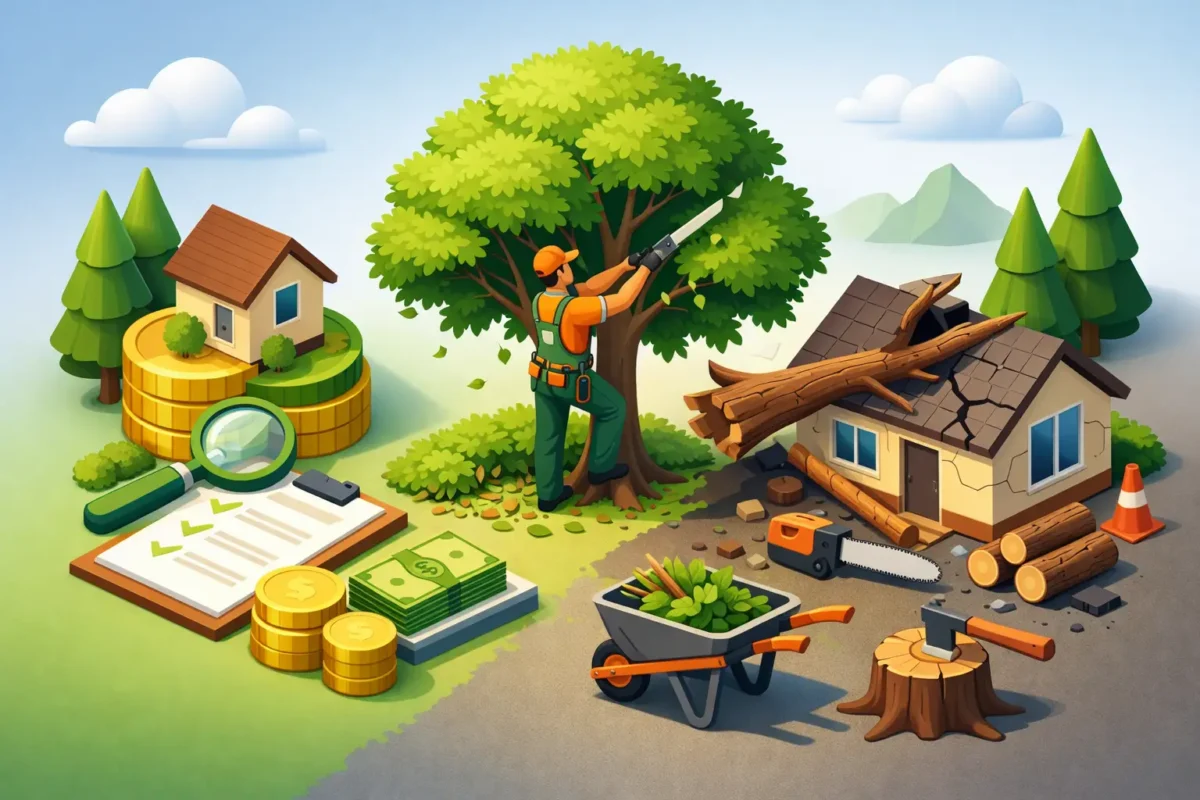
That branch hanging over your roof is not getting cheaper with time. The same goes for a tree that started leaning after the last storm, or roots that are lifting a walkway near your front steps. Affordable tree care is not about finding the lowest number on a quote. It is about fixing the right problem before it turns into a bigger, more expensive one.
For homeowners and property managers, that difference matters. A quick trim at the right time can prevent a roof claim, fence damage, blocked driveway, or a late-night emergency removal after high winds. Waiting often feels cheaper in the moment. In reality, delay is what drives up the final bill.
What affordable tree care really means
A lot of people hear the word affordable and assume it means basic service or cut-rate work. That is where costly mistakes start. Tree work involves climbing, cutting, rigging, fall zones, utility awareness, and property protection. If a company is not licensed, not insured, or not experienced, a cheap estimate can become the most expensive decision you make.
Real affordable tree care means getting honest recommendations, paying for work that actually needs to be done, and avoiding damage that could have been prevented. Sometimes that means pruning instead of removal. Sometimes it means removing a tree now because keeping it standing will cost more after the next storm. It depends on the tree, the location, and the level of risk.
A healthy shade tree near the back of your property may only need routine trimming every few years. A split trunk over a garage is a different story. One is maintenance. The other is a hazard.
The biggest reason tree work gets expensive
Emergency conditions change everything. When a tree comes down on a driveway, roof, shed, fence, or power line area, the job becomes more complex and more urgent. Crews may need special equipment, traffic control, careful debris removal, and immediate scheduling. That added risk and response time is why emergency service costs more than planned maintenance.
This is especially true in areas that see heavy wind, wet snow, saturated soil, and strong seasonal storms. In parts of New York, trees can look stable one week and fail the next after ground conditions shift. If you already see dead limbs, fresh cracks, hollow spots, or a new lean, taking action before the next storm is often the least expensive option.
That is why experienced companies push prevention, not panic. If a crew tells you a tree can wait, that honesty saves you money. If they tell you it cannot, ignoring that warning usually costs more later.
How to keep tree care affordable year after year
The simplest way to control costs is to stop treating tree care like a one-time emergency. Trees are part of your property, and they need periodic attention just like roofing, gutters, and drainage.
Trim before branches become hazards
Overextended limbs do not just look messy. They catch more wind, rub against structures, and break under snow or ice load. Strategic trimming reduces weight, improves clearance, and lowers the chance of sudden breakage. It is usually far less expensive than dealing with a fallen limb after it tears into shingles or crushes a section of fence.
Timing matters here. Trimming a tree when damage is still minor gives you more options. If decay has already spread through major limbs, the scope of work changes.
Prune for tree health, not just appearance
Pruning is not the same as random cutting. Done properly, it removes dead, diseased, crossing, or weak growth so the tree stays healthier and safer. Done poorly, it can stress the tree, encourage bad regrowth, and make future issues worse.
This is one reason bargain work is risky. A low-price crew may remove too much, cut in the wrong places, or leave the tree structurally weaker than before. You save money only if the work actually helps.
Remove high-risk trees before they fail
Some trees are past the point where trimming helps. Severe leaning, trunk splits, root damage, widespread decay, and large dead sections are all signs that removal may be the safer and more affordable path. Homeowners often hesitate because removal feels like the bigger expense. But if the tree is likely to come down on its own, the delayed version of that same job is usually harder, riskier, and more expensive.
A good company will not push removal when pruning is enough. But they also should not downplay real danger just to make a sale easier.
Do not ignore the stump
Stump grinding is easy to postpone, but old stumps create their own problems. They can become trip hazards, attract pests, interfere with mowing, and get in the way of future landscaping or repairs. If the stump is in a high-use area, finishing the job now may save you from repeated headaches later.
Warning signs that need fast attention
Some tree issues can wait for a scheduled estimate. Others should move to the top of your list. If you notice a sudden lean, cracking sounds, split branches, exposed roots after a storm, large dead limbs over your home, or a tree touching the structure, do not take a wait-and-see approach.
The same goes for trees close to driveways, entrances, play areas, parking lots, and walkways. A problem tree near a target is more urgent than the same issue in an open corner of the yard. For commercial properties, the liability risk is even higher. One damaged car or injury claim can cost far more than proper tree service.
In storm-prone parts of Albany County, Nassau County, Suffolk County, and other New York service areas, local weather patterns matter. Heavy rain can loosen root systems. Snow load can snap weak limbs. Wind finds every defect you hoped would hold one more season.
How to compare quotes without getting burned
Getting more than one estimate is smart. Choosing based on price alone is not. When you compare quotes, look at what is actually included. One company may price trimming only, while another includes haul-away, cleanup, and riskier branch work over structures. Those are not equal estimates.
Ask whether the company is licensed and insured. Ask how they plan to protect your roof, siding, lawn, driveway, and nearby structures. Ask if stump grinding, debris removal, or emergency response changes the price. A clear estimate is usually a better sign than a suspiciously low one.
It also helps to pay attention to how the company talks about the job. Honest professionals explain the risk, the options, and the trade-offs. If every tree somehow needs major work immediately, be cautious. If obvious hazards are being brushed off, be cautious there too.
AAA Tree Service NY built its reputation on that practical middle ground – fast response when a tree is dangerous, and straightforward advice when a cheaper maintenance fix is enough.
Affordable tree care for homeowners vs. commercial properties
Homeowners usually focus on protecting the house, driveway, yard, and family. Building owners and managers have a wider risk picture. Parking areas, tenant walkways, storefront visibility, emergency access, and liability exposure all come into play.
That changes the value of preventive work. On a residential lot, trimming one tree may prevent damage to a roof or fence. On a commercial property, routine service can help avoid vehicle damage, blocked access, tenant complaints, and injury claims. The work may cost more upfront because of scale, but the savings from avoiding one serious incident can be significant.
When cheaper is actually smarter
Not every tree problem needs a major job. Sometimes the most affordable move is a modest pruning visit, selective deadwood removal, or seasonal trimming plan instead of a full overhaul. Sometimes bundling services, such as trimming plus stump grinding or storm cleanup plus hazard reduction, lowers the overall cost compared with booking each problem separately.
The smartest choice usually comes from catching issues early, not from chasing the lowest bid after damage has already spread. That is the difference between controlled maintenance and forced emergency spending.
If a tree on your property is cracked, leaning, overgrown, or dropping dead limbs, trust what you are seeing. Small warning signs turn into expensive damage fast. A timely estimate gives you options. Waiting usually takes them away.
Protecting your home does not always mean spending more. Often, it means acting sooner.