Best Emergency Tree Service Near Me Tips

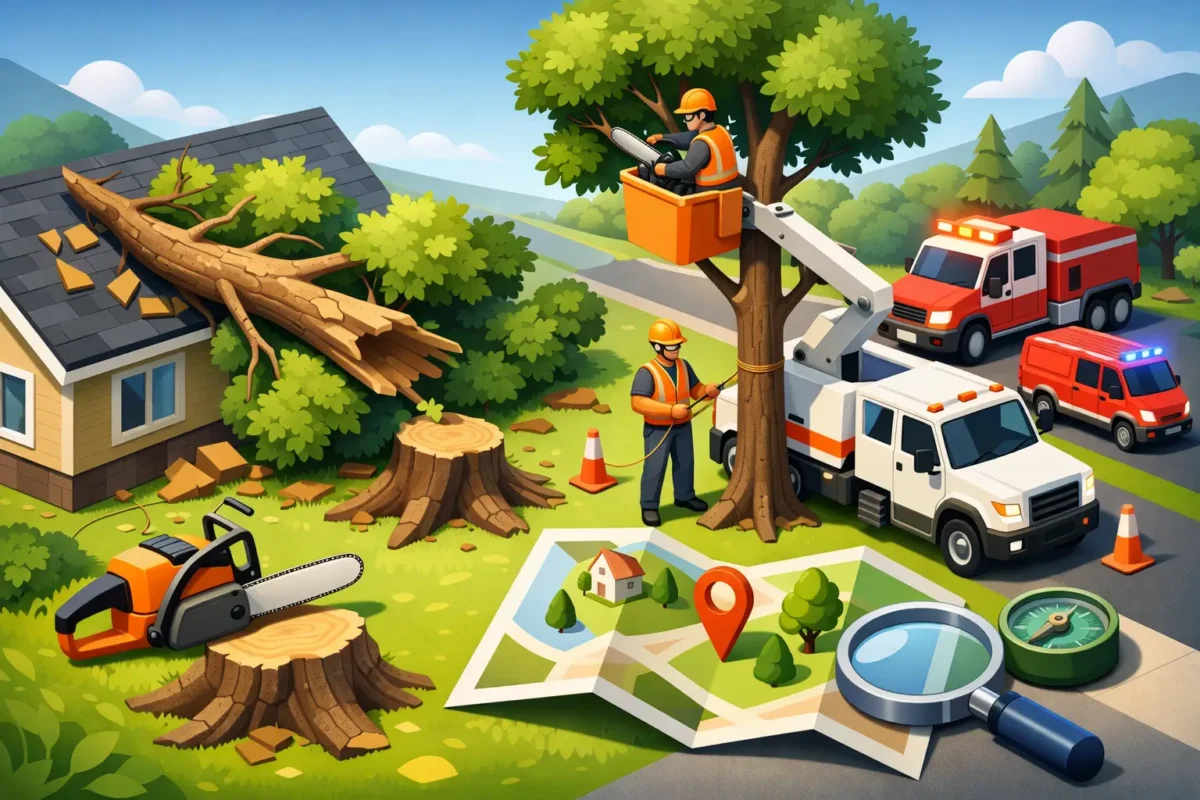
A tree does not wait for a convenient time to fail. It comes down at night, during a storm, across the driveway before work, or onto the roof when the wind shifts hard. When you are searching for the best emergency tree service near me, you are not browsing casually. You are trying to protect your home, your family, and your next move.
That urgency is exactly why choosing the right company matters. In a true tree emergency, speed is critical, but speed alone is not enough. You need a crew that shows up prepared, works safely, and tells you the truth about what has to be done now versus what can wait until daylight.
What the best emergency tree service near me should actually provide
A good emergency tree company does more than cut and haul. The best crews start with risk control. They look at what is hanging, what is split, what is still under tension, and what could shift if one wrong cut is made. That matters when a large limb is resting on a roof, a trunk is leaning toward a power line, or the root plate has lifted after heavy rain.
For homeowners, the real value is simple. You need the danger reduced fast, with as little extra damage as possible. That usually means temporary stabilization, controlled removal, cleanup of hazardous debris, and a clear explanation of what comes next. Some situations call for complete removal right away. Others need the immediate threat handled first, with follow-up pruning, stump grinding, or full cleanup after the property is safe.
The best companies also understand local storm patterns. In New York and other cold-weather states, ice loading, saturated soil, snow weight, and wind can all change how a damaged tree behaves. A crew with real local experience knows that a cracked limb after freezing rain is not the same as a limb broken in a summer thunderstorm.
Signs you need emergency tree service now, not later
Some tree problems can wait a day or two. Others should not. If a tree or major branch has fallen on your house, garage, fence, driveway, or vehicle, that is an emergency. If the tree is leaning suddenly, especially after a storm, that is also a serious warning sign.
You should act fast if you see a trunk split, exposed roots lifting from the ground, large limbs hanging overhead, or branches tangled near utility lines. Sparking wires, blocked roads, and trees resting on structures all raise the risk level immediately. In these moments, waiting to see what happens next is rarely the safe choice.
There are also quieter emergencies that homeowners miss. A tree may still be standing, but if the soil is heaving, the trunk has shifted, or a major scaffold limb is cracked and drooping, the tree can fail hours later. The storm may be over, but the danger is not.
How to tell if a company is truly qualified
The phrase emergency service gets used loosely. Some companies answer the phone after hours, but that does not mean they are equipped for high-risk removals. When you call, listen for clear, direct answers. Ask whether they handle storm-damaged trees regularly, whether they are licensed and insured, and whether they can assess the hazard on arrival.
Insurance matters more than many homeowners realize. If a crew is not properly insured and something goes wrong, that problem can land on your property and your finances. You should also look for a company with a long track record, because emergency tree work is not beginner work. Trees under tension, compromised trunks, and storm debris around homes require judgment, not guesswork.
A trustworthy company will not pressure you into unnecessary work while you are stressed. They should explain whether the whole tree needs removal, whether part of it can be saved, and what cleanup is essential versus optional. Honest recommendations are a strong sign you are dealing with professionals.
Questions to ask when every minute counts
You do not need a long interview in an emergency, but a few direct questions can save you from hiring the wrong crew. Ask how quickly they can respond, whether they are insured, and whether they have experience removing trees from roofs or other structures. Ask what safety steps they take before cutting.
It is also smart to ask how the estimate works. Some companies offer free estimates, which helps when you are already dealing with storm stress and possible insurance paperwork. You can also ask whether they will remove debris, cut manageable sections, and leave the area safe before they go.
If the answer to everything sounds vague, rushed, or evasive, keep calling. In a real emergency, confidence should sound calm and specific, not pushy.
Why the cheapest option can cost more
When a tree is down and water may be getting into the house, price is not the only factor. A low quote may leave out critical work like controlled rigging, full debris removal, or protection for the roofline and landscaping. Inexperienced crews may also cause more damage trying to move too fast.
That does not mean the highest price is automatically better. It means the right price should reflect trained labor, proper equipment, insurance, and safe handling of a hazardous situation. Affordable emergency tree service is possible, but it should still come with professionalism and a real plan.
Homeowners are often balancing two urgent concerns at once: stopping further property damage and keeping the bill manageable. A company that gives straightforward pricing and explains the scope clearly is usually a safer bet than one that throws out a number with no details.
What to do before the crew arrives
Your first job is safety. Keep family members and pets away from the tree and any debris field. Do not walk under hanging limbs. Do not try to cut branches yourself, especially if the tree is touching a structure or utility lines.
If the tree involves power lines, stay clear and contact the utility company or emergency services as needed. If water is entering your home because of roof damage, take only the steps you can do safely from inside. Photos can help with insurance, but do not risk getting close to an unstable tree just to document it.
Once you have called for help, make access easier if you can do it safely. Unlock gates, move vehicles away from the work zone, and be ready to explain what happened and when. That helps the crew assess the situation faster when they arrive.
Emergency removal versus preventive tree care
Many emergency calls start with a problem that had warning signs earlier. A heavy limb over the driveway, a tree that was thinning on one side, visible deadwood, or a trunk with a growing crack may have seemed manageable until the next storm hit.
That is the trade-off homeowners face. Routine trimming and pruning cost less than emergency removal, but it can be hard to prioritize until a tree becomes an immediate threat. The practical middle ground is to have questionable trees inspected before storm season and to address obvious hazards early.
This is where an experienced local company can help beyond the emergency itself. After the urgent work is done, they can tell you whether nearby trees need pruning, whether storm-damaged trees can recover, and whether stump grinding or cleanup should be scheduled next. AAA Tree Service NY builds trust by handling both the immediate danger and the long-term prevention side with the same safety-first approach.
What fast, trustworthy service feels like
When you have the right company on site, the situation gets calmer quickly. They identify the hazard, secure the area, explain the plan, and get to work without creating more confusion. You do not feel sold to. You feel protected.
That matters because tree emergencies are stressful in a very specific way. They affect your sense of safety at home. A dependable crew helps restore control, not just by removing wood and debris, but by making good decisions under pressure.
If you are searching for the best emergency tree service near me, focus on the things that hold up when the weather turns bad: 24/7 availability, real storm experience, licensed and insured work, fair pricing, and honest guidance. The right team does not just show up fast. They show up ready.
When a tree turns into a threat, the best next step is the one that protects your home before the next shift in wind makes the decision for you.