
Can Tree Roots Damage Foundation?

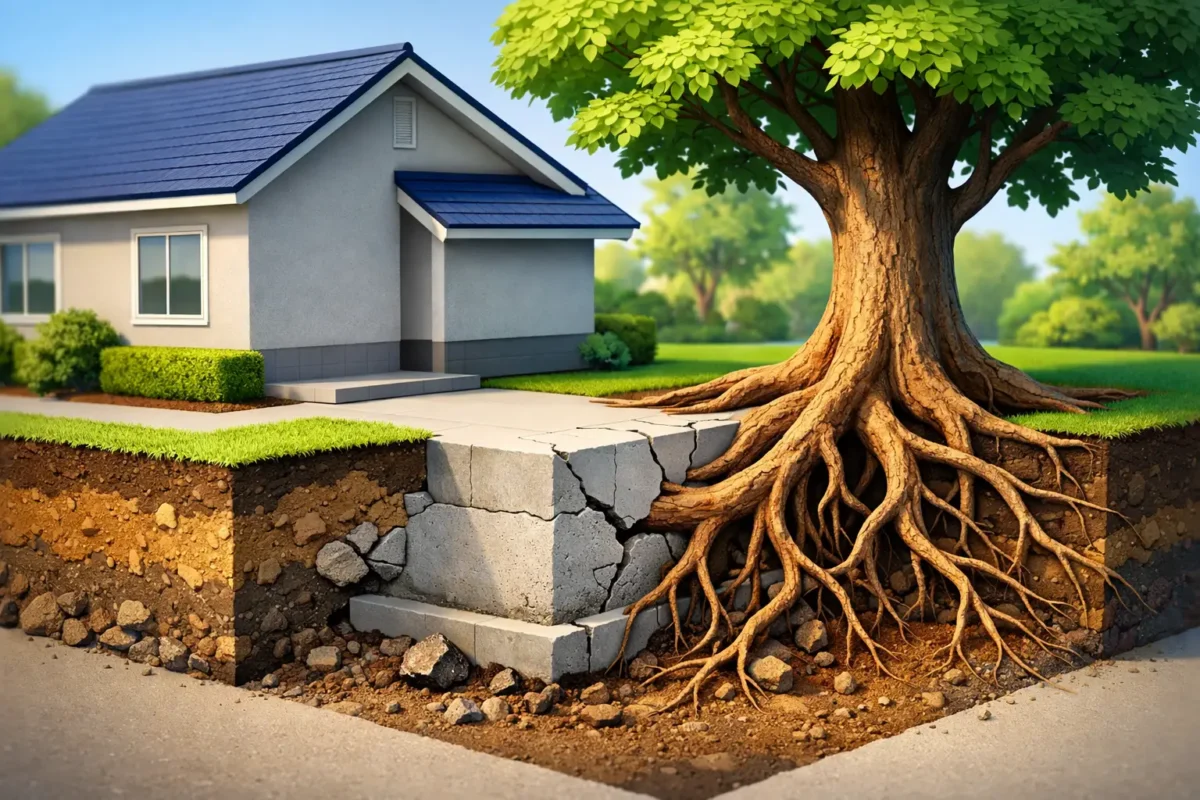
A crack in the basement wall and a large tree a few feet from the house is enough to make any homeowner nervous. If you are asking, can tree roots damage foundation, the honest answer is yes – but not always in the way people think. Waiting too long to figure out the cause can turn a manageable issue into a costly repair, especially when shifting soil, poor drainage, and aggressive root growth are all working against your home.
Can tree roots damage foundation directly?
Sometimes, but direct root pressure is not the most common problem. In most cases, tree roots do not punch through solid concrete the way people imagine. Roots usually follow the path of least resistance. That means they are more likely to grow into existing cracks, loose joints, drainage gaps, or weak spots that are already there.
The bigger issue is often what roots do to the soil around the foundation. Large trees pull moisture from the ground. During dry periods, that moisture loss can cause certain soils to shrink. When the soil under or beside a foundation shifts unevenly, the structure can settle, crack, or move. That is when doors start sticking, floors slope, and small wall cracks become hard to ignore.
If your property has clay-heavy soil, this risk goes up. Clay expands when wet and shrinks when dry. Add mature trees close to the house, and the cycle can put real stress on the foundation over time.
Why the damage happens
Tree roots and foundations become a problem when several conditions line up. Distance matters, tree size matters, and soil conditions matter just as much. A small ornamental tree planted well away from the home is a very different risk than a mature maple or oak standing near a basement wall.
Roots generally spread far beyond the canopy. They are searching for water and oxygen, not trying to attack your house. But if the foundation area stays moist, if underground pipes leak, or if the soil is already unstable, roots may concentrate near the structure. That can worsen movement in the surrounding ground.
Older homes are often more vulnerable because they may already have minor cracks or aging foundation materials. Once weakness exists, roots can make a bad situation worse. Newer homes are not immune either, especially if landscaping was done without enough clearance from the foundation.
Signs your tree may be affecting the foundation
Homeowners usually notice the house before they notice the tree. The warning signs often show up indoors and outdoors at the same time. If you see stair-step cracks in brick, widening wall cracks, uneven floors, windows that suddenly stick, or gaps around door frames, something is moving.
Outside, look for roots surfacing near the foundation, soil pulling away from the home, leaning trees, or hardscaping that has started to lift. Cracks in driveways and sidewalks do not automatically mean foundation trouble, but they can point to an active root system causing disruption around the property.
It is also worth paying attention after a stretch of drought followed by heavy rain. That wet-dry cycle can make soil movement worse. In parts of New York where weather shifts quickly from soaking conditions to dry spells, those changes can expose problems faster than homeowners expect.
Which trees are more likely to cause trouble?
Not every tree carries the same risk. Fast-growing, large-canopy species usually have wider, more aggressive root systems than smaller, slower-growing trees. Silver maples, willows, poplars, and some large oaks can be more concerning when planted too close to a home.
That does not mean every big tree has to come down. Healthy mature trees add value, shade, and stormwater benefits. The question is whether the tree is too close for its size, whether the roots are already affecting structures, and whether the tree itself is stable and healthy.
A stressed or declining tree can create two problems at once. The roots may be influencing the soil, and the tree may also be more likely to drop limbs or fail during a storm. That is when delaying action gets expensive fast.
How close is too close?
There is no perfect one-size-fits-all number, but a common rule is that large trees should not be planted close to the foundation. The safe distance depends on the mature size of the tree, not the size it is today. A tree that looks harmless when newly planted may become a major issue years later.
As a rough guide, small trees may be fine within 10 to 15 feet in the right conditions, while medium and large trees often need much more space. If a mature tree trunk is only a few feet from the house, it deserves a closer look. The combination of trunk size, root spread, slope, drainage, and soil type tells the real story.
This is why quick internet answers can be misleading. Two homes on the same street can have completely different risk levels based on grading and soil moisture alone.
When roots are not the real cause
This is where many homeowners waste time and money. Tree roots get blamed for foundation issues that are actually caused by poor drainage, broken gutters, plumbing leaks, bad grading, or ordinary settlement. Removing a tree without confirming the cause may not solve the problem.
In some cases, removing a mature tree can even create a different kind of soil movement, especially if the ground has adjusted over years to the tree’s moisture use. That does not mean removal is wrong. It means the decision should be based on an actual site evaluation, not guesswork.
If cracks are growing, the house is shifting, or roots are visible near structural areas, it is smart to bring in both a foundation professional and an experienced tree service company. You need to know what the tree is doing, what the soil is doing, and whether immediate action is needed for safety.
What you can do before damage gets worse
Start with observation, but do not stop there. Take clear photos of cracks, root growth, and any changes around the house. If the cracks are getting wider, if doors are sticking more than before, or if the tree is leaning, that is your sign to move quickly.
A professional inspection can help determine whether pruning, root management, barrier installation, or full removal makes the most sense. The right fix depends on the severity of the problem. Light root pruning may work in some cases, but cutting major roots improperly can destabilize the tree and create an even bigger hazard.
Routine tree trimming also helps reduce risk, especially if a tree near the home already shows stress. While trimming does not stop root growth, it can improve tree health, reduce storm danger, and buy time while the bigger structural issue is assessed.
For homeowners in areas like Albany County or Nassau County, where storms, saturated ground, and mature neighborhood trees often come together, preventive tree care matters. A tree that looks fine on a calm day can become a serious property threat during the next round of wind and rain.
Should you remove the tree?
Sometimes yes, sometimes no. If the tree is healthy, well-positioned, and not causing measurable damage, removal may be unnecessary. If it is too close to the home, already affecting the foundation, or showing signs of decline or instability, removal may be the safest option.
The key is timing. Waiting until the foundation damage is severe or the tree becomes an emergency usually means higher costs all around. Emergency removal, structural repairs, and cleanup add up quickly. Acting early gives you more options and more control over the outcome.
That is why homeowners call experienced crews for honest recommendations instead of sales pressure. A good tree company should tell you when a tree can be managed and when it is no longer worth the risk.
When to call for help now
If you see foundation cracks getting worse, exposed roots near the house, a tree leaning toward the structure, or signs of storm damage, do not brush it off. These are not problems that fix themselves. They usually get more expensive the longer they sit.
AAA Tree Service NY works with homeowners who need straight answers, fast response, and safe tree care before small warning signs turn into major property damage. If a tree near your home is raising concerns, getting it inspected now is a lot cheaper than waiting for the next storm or the next crack to spread.
A tree can add beauty and value to a property, but only when it is in the right place and properly maintained. If something looks off, trust that instinct and get it checked before your foundation, your safety, and your budget take the hit.