Does Insurance Cover Tree Removal?

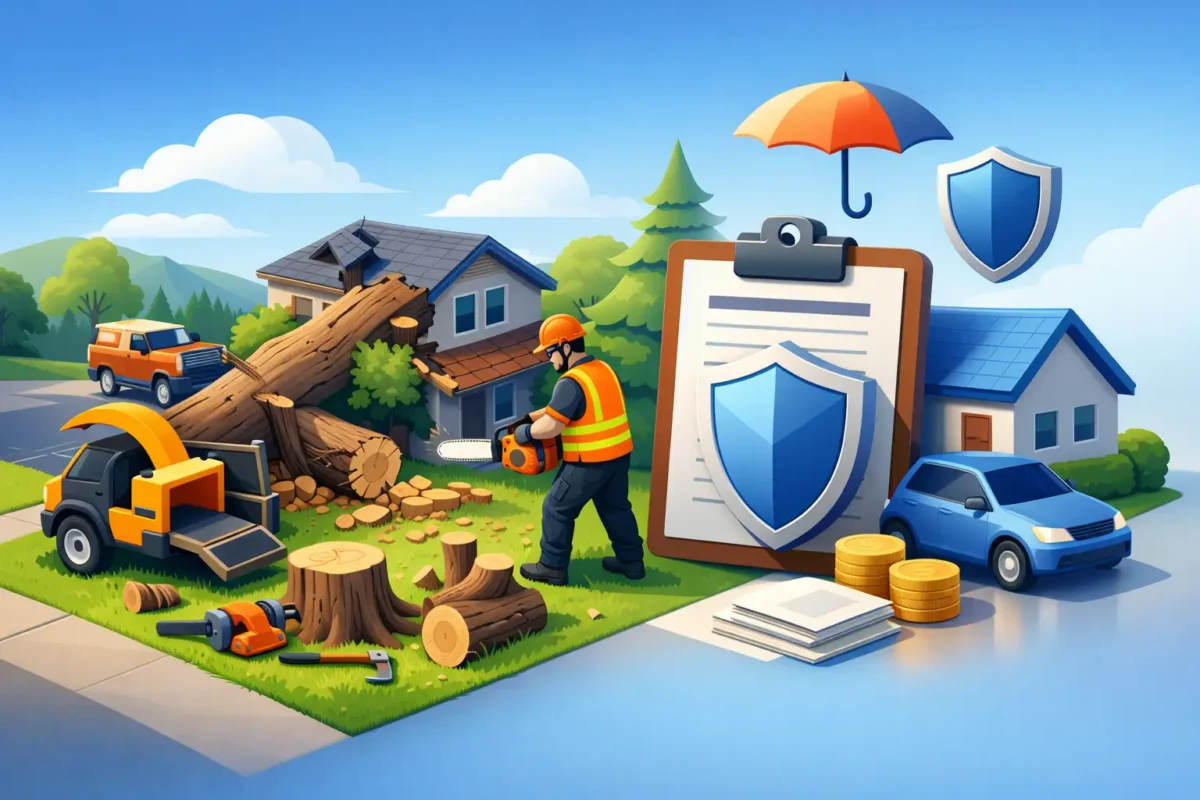
A tree comes down at 2 a.m., blocks the driveway, crushes part of the fence, and suddenly the question is not theoretical anymore: does insurance cover tree removal? Sometimes yes. Sometimes no. And the difference usually comes down to why the tree fell, what it hit, and whether the insurer sees the situation as sudden damage or a maintenance problem that should have been handled earlier.
If you are staring at a fallen or leaning tree, do not wait around hoping the insurance answer will get clearer on its own. Storm-damaged trees can keep shifting, split trunks can fail without warning, and hanging limbs can turn a manageable cleanup into a major property loss fast.
Does insurance cover tree removal after storm damage?
In many cases, homeowners insurance may cover tree removal if the tree fell because of a covered event and damaged a covered structure. A strong windstorm, heavy snow, lightning strike, or ice event may qualify, depending on your policy. If the tree lands on your house, garage, fence, or another insured structure, the policy often helps pay for removal as part of the property claim.
That said, coverage is rarely unlimited. Many policies place a dollar cap on tree removal, either per tree, per claim, or both. Some insurers will pay to remove the tree from the structure but not cover every part of the yard cleanup. Others may cover debris removal only when the fallen tree actually caused insured damage.
This is where homeowners get frustrated. The roof damage is clearly covered, but the full cost to crane out a massive oak, clear the debris, and haul everything away may be higher than the policy limit for removal alone. That is why it helps to get documentation and a professional estimate quickly.
When insurance usually does not cover tree removal
Insurance is less likely to pay when the tree falls for reasons tied to neglect, age, disease, or obvious decay. If the tree was dead, hollow, heavily leaning for months, or dropping large limbs before it failed, the insurer may argue that the damage was preventable.
The same issue comes up if a tree falls in the yard and does not hit a covered structure. If it misses the home and lands in open space, many policies will not pay for removal at all. You may still be responsible for cleanup even if the fall happened during a storm.
A few common situations often lead to denied claims:
- The tree was dead or visibly rotting before it fell
- The tree fell in the yard without hitting a structure
- The damage came from flooding or earth movement excluded by the policy
- The insurer believes poor maintenance contributed to the loss
That last point matters more than many homeowners realize. If a tree had major cracks, exposed roots, a severe lean, or repeated limb failure, and nothing was done, an adjuster may see it as deferred maintenance rather than sudden accidental damage.
What if your neighbor’s tree falls on your property?
This is one of the most misunderstood parts of tree-related insurance claims. In many cases, your insurance handles the damage to your property first, even if the tree came from your neighbor’s yard. If their tree crashes onto your roof during a storm, you typically start with your own homeowners policy.
The neighbor may only become financially responsible if they were negligent. For example, if the tree was clearly dead, badly damaged, or previously reported as hazardous and they ignored it, liability may come into play. But if a healthy-looking tree fell during a major storm, that is often treated as an act of nature rather than negligence.
This is another reason not to ignore warning signs. If you have a tree on your property that is visibly unsafe, waiting can create risk for your home and potential liability for someone else’s.
Does insurance cover tree removal if the tree is still standing?
Usually, no. If a tree is leaning, split, cracked, or at risk of falling but has not yet caused damage, insurance generally does not pay for preventive removal. Insurers are in the business of covering sudden losses, not routine maintenance or hazard prevention.
That can feel unfair when the threat is obvious. A storm-split tree hanging over the roof is a real danger, and waiting until it comes down can make the situation much worse. But from the insurer’s point of view, removing a hazardous tree before impact is often considered the owner’s responsibility.
This is why fast action matters. Paying for a controlled removal now can be far cheaper than dealing with roof damage, interior water intrusion, vehicle damage, and emergency cleanup after the next storm rolls through.
How to know if your policy may pay
The fastest way to think about coverage is to ask three questions. First, what caused the tree to fall? Second, what did it hit? Third, was the tree already in poor condition before the incident?
If the answer looks like this – a storm caused the fall, the tree hit an insured structure, and there was no obvious prior neglect – there is a better chance the claim may be covered.
If the answer looks more like this – the tree was dead for a long time, it fell on the lawn, and no structure was damaged – coverage is much less likely.
Every policy is different, and endorsements, deductibles, and exclusions matter. Still, those three questions usually tell you whether you are looking at an insurance claim, an out-of-pocket removal, or a situation that needs both immediate safety work and a policy review.
What to do right after a tree falls
Take photos before anything is moved, if the area is safe. Capture the tree, the damage, the base of the trunk, any visible decay or splitting, and where the tree landed. If a storm caused the fall, note the time and weather conditions.
Next, protect people first. Stay away from downed power lines, unstable trunks, and hanging limbs. A partially fallen tree can fail again with very little warning. If the tree is on the house, over a driveway, or tangled in utility lines, this is not a DIY situation.
Then call your insurance company to report the loss and ask what they need for documentation. In many cases, they will want photos, a description of the event, and an estimate for emergency tree removal or damage mitigation.
At the same time, contact a licensed and insured tree service that handles emergency work. You may need immediate help to secure the area, remove the tree safely, and prevent more damage from rain, shifting wood, or blocked access. In storm-prone parts of New York, quick response can make a major difference, especially when high winds or heavy snow have already weakened nearby trees.
Why the condition of the tree matters so much
Insurance companies look hard at whether the tree showed warning signs before the loss. A healthy tree that fails in a severe storm is one thing. A tree with mushrooms at the base, major deadwood, bark falling off, or a long-term lean is another.
Homeowners and building owners should pay attention to obvious hazards such as cracked unions, exposed roots, hollow trunks, and limbs hanging over the roofline. These are not cosmetic issues. They are signs that the tree may be structurally compromised.
If you are not sure whether a tree is just ugly or actually dangerous, get it checked before weather turns it into an emergency. Honest advice matters here. A good tree company will tell you when a tree can be trimmed, cabled, or monitored and when removal is the safer call.
The cost problem many homeowners do not expect
Even when insurance covers tree removal, you may still have out-of-pocket costs. Your deductible applies first. The removal allowance may not match the real cost of difficult access, crane work, storm conditions, or multiple damaged trees. And if no covered structure was hit, cleanup may be fully your responsibility.
That is why waiting on a risky tree can backfire two ways. If it falls harmlessly in the yard, you may pay for removal yourself. If it falls onto the house but the insurer finds evidence of neglect, you may still face a fight over coverage.
For homeowners and property managers, the smarter move is usually prevention. Deal with dead trees, severe leaners, and broken tops before they fail. It is safer, often cheaper, and far less stressful than sorting through claim language after a midnight crash.
If you see cracks, leaning, dead limbs, or storm damage, do not put it off until the next weather event makes the decision for you. Get the tree assessed, get clear answers, and act while the problem is still under your control.