
Tree Trimming and Pruning Cost Guide

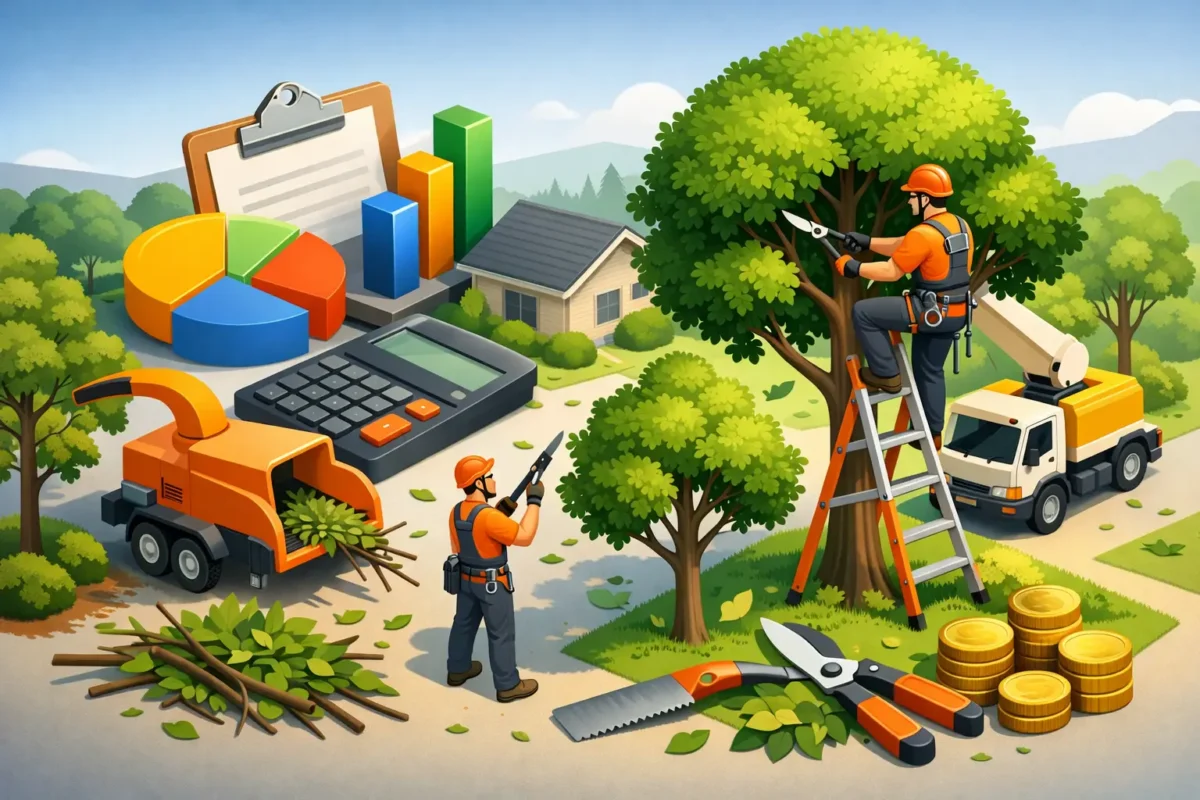
A low branch scraping your roof at 2 a.m. changes how you think about tree care. What looked like a minor maintenance job yesterday can turn into a real property risk after one hard windstorm. That is why understanding tree trimming and pruning cost matters before the next branch comes down.
For most homeowners, the price is not just about cutting limbs. It is about reducing risk, protecting the house, and avoiding the much higher cost of emergency damage. The right estimate should reflect the tree’s condition, its location, how much material needs to be removed, and how safely the work can be done.
What is the average tree trimming and pruning cost?
In many residential situations, tree trimming or pruning can range from around $250 to $1,500 per tree. Smaller ornamental trees often cost less, while large mature trees near a home, fence, driveway, or utility area can cost much more. If a tree is damaged, overgrown, or difficult to access, the price can move higher quickly.
That wide range is normal. A 15-foot tree in an open yard is a very different job from a 60-foot oak hanging over a garage. Homeowners sometimes compare prices without comparing the actual risk, labor, and cleanup involved. A lower quote may leave out haul-away, debris removal, or the precision needed to keep the tree healthy.
If you are trying to budget, think in terms of three rough tiers. Light pruning on a small tree is often the least expensive. Standard trimming on a medium tree with good access tends to fall in the middle. Heavy pruning on a tall tree near structures usually costs the most because it takes more crew time, more equipment, and tighter safety control.
What affects tree trimming and pruning cost most?
The biggest price driver is tree size. Taller trees take longer to climb, cut, rig, and clean up. A broad canopy with dense limbs also adds labor because every cut has to be controlled and every branch has to come down safely.
Location matters just as much. If branches are hanging over your house, touching a roofline, crowding a power-adjacent area, or extending above a driveway, the job becomes more technical. Crews may need ropes, rigging systems, bucket access, or sectional cutting methods to avoid damage below.
Tree condition also changes the number. A healthy tree being pruned for shape or clearance is usually more straightforward than a storm-damaged tree with cracked limbs, deadwood, or unstable growth. Hazardous trees require slower, more careful work. That protects your property, but it can increase labor time.
The amount of pruning plays a role too. Selective pruning to remove a few weak limbs costs less than major canopy thinning, crown reduction, or corrective trimming that has been delayed for years. When a tree has not been maintained and has become top-heavy, overextended, or crowded, it often takes more work to bring it back into a safer condition.
Cleanup is another factor many homeowners overlook. Cutting is one part of the job. Chipping brush, hauling debris, raking the yard, and removing heavy wood all affect the final estimate. If you want everything taken away, that should be clearly included in the quote.
Small, medium, and large tree pricing
A small tree under about 25 feet, especially one with easy yard access, may fall on the lower end of the range. These jobs are often routine trimming, dead branch removal, or pruning for shape and clearance from walkways or siding.
A medium tree between roughly 25 and 50 feet often lands in the middle range. This is where many suburban homeowners find themselves. The tree is large enough to require real climbing or specialized cutting, but not so large that it automatically becomes a major rigging project.
Large trees over 50 feet are where costs rise most noticeably. These trees can stretch over roofs, fences, sheds, and neighboring property lines. They may require a larger crew, specialized equipment, and more time to complete safely. If the tree is mature and close to the house, the estimate should reflect the risk involved.
Pruning vs. trimming: is there a cost difference?
Homeowners often use these terms interchangeably, and that is common. In practice, trimming usually refers to cutting back overgrowth for shape, clearance, or appearance. Pruning often focuses more on tree health, structure, and removing weak, dead, or problematic limbs.
The cost difference depends less on the word used and more on the work being done. Light trimming for appearance may be cheaper than corrective pruning, but careful structural pruning on a young tree can also be fast and affordable. On the other hand, neglected mature trees often need selective pruning that takes time and experience. That can cost more, but it can also prevent breakage and reduce the chance of a future emergency call.
When the lowest quote is not the best deal
Tree work is one of those services where cheap can get expensive fast. If a branch tears, a lawn gets damaged, a fence is hit, or the tree is cut improperly, the savings disappear. Poor pruning can also weaken a tree and make it more vulnerable in the next storm.
A solid estimate should explain what is being cut, what is being removed, how the crew will access the tree, and whether cleanup is included. Licensed and insured service matters here. So does experience with storm-prone neighborhoods and mature residential trees.
This is especially true when a tree is already showing warning signs. Cracked limbs, deadwood, a heavy lean, branches over the roof, or recent storm damage should not be approached like a basic yard cleanup job. Safety has to come first.
When tree trimming and pruning cost more because you waited
Delaying service is one of the most common reasons homeowners end up paying more. A branch that could have been trimmed early may later need emergency removal after it splits. A canopy that should have been thinned may become too heavy and start stressing the trunk. Limbs rubbing your roof can damage shingles, gutters, and fascia over time.
The longer overgrowth is ignored, the more complicated the work can become. That means more labor, more debris, and sometimes a shift from routine pruning to urgent hazard reduction. In some cases, a tree that could have been preserved with proper maintenance ends up needing full removal.
For homeowners in storm-heavy areas, timing matters. Preventive trimming before storm season is usually easier to schedule and often less costly than emergency service after a tree fails. Fast action now can protect the home and reduce the chance of a rushed, high-stress decision later.
How to get an accurate estimate
The best estimates are done on site. Photos can help, but they do not always show height, lean, decay, branch weight, or how close limbs are to the home. A walk-through gives a clearer picture of risk and lets you ask direct questions.
Ask what type of pruning is being recommended and why. If a company cannot explain the reason for the cuts in plain language, that is a problem. You should also ask whether debris removal is included, how long the job will take, and whether the crew is insured for residential tree work.
A trustworthy company will not try to sell you more than you need. Sometimes the right answer is light pruning and clearance from the roof. Other times the right answer is more urgent because the tree is already compromised. Honest guidance is part of the service.
AAA Tree Service NY works with homeowners who need exactly that kind of straight answer – whether the job is routine maintenance or a fast response after storm damage.
Is tree pruning worth the cost?
If the tree is near your home, driveway, fence, or utility-adjacent area, the answer is often yes. Regular pruning can reduce storm breakage, prevent roof contact, improve clearance, and help catch structural issues early. It also helps protect the tree itself when cuts are made properly and at the right time.
That does not mean every tree needs heavy pruning every year. Overcutting can be just as harmful as neglect. The goal is not to remove as much as possible. The goal is to remove what is risky, unhealthy, or interfering with your property while keeping the tree stable and attractive.
When homeowners ask about tree trimming and pruning cost, they are usually really asking a bigger question: is this worth doing now? If the tree is crowding your house, dropping dead limbs, or showing storm stress, waiting rarely makes the situation cheaper or safer. A clear estimate today gives you options. A broken branch through the roof tomorrow does not.
The smart move is simple – handle the risk while it is still manageable, and let the next storm test your gutters, not your luck.