Your Guide to Tree Trimming for Safety

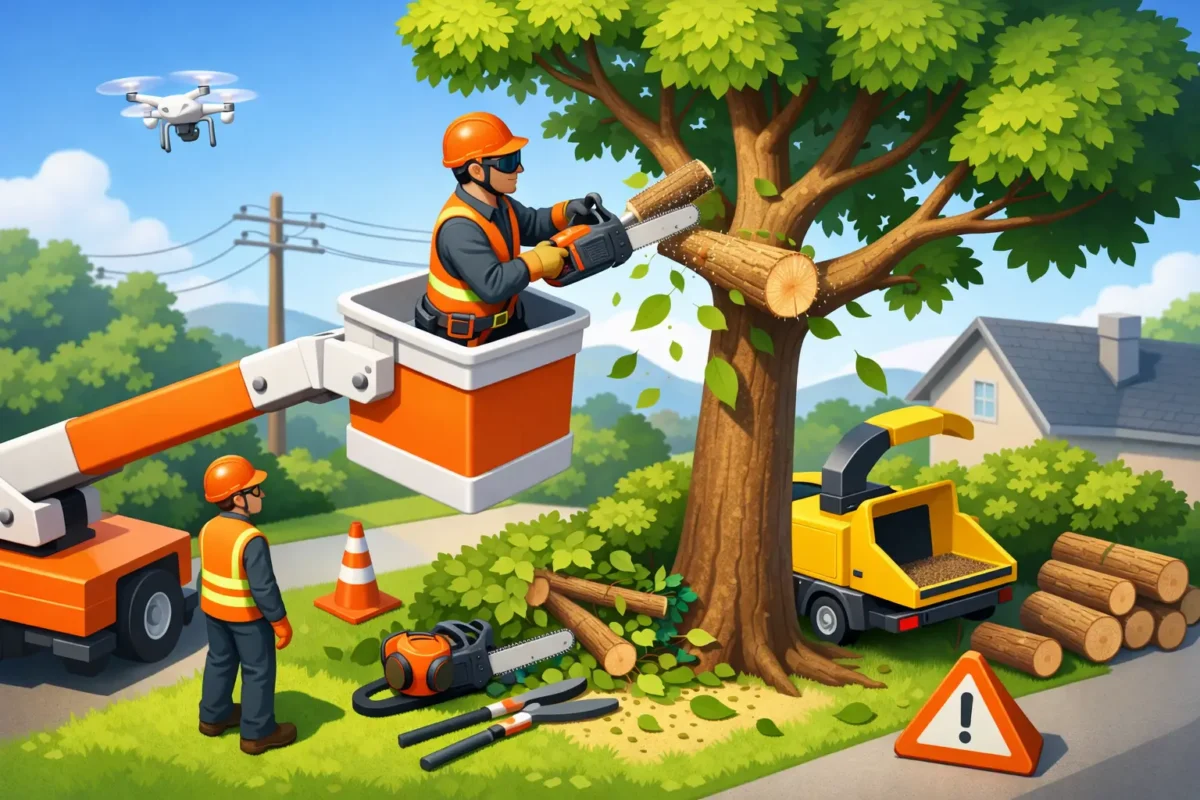
A limb does not have to fall to be dangerous. One hanging over your driveway, roof, play area, sidewalk, or power line can become a serious problem when wind, ice, or heavy rain arrives. This guide to tree trimming for safety helps you recognize the warning signs, understand what safe pruning looks like, and know when the job needs a professional crew.
Tree trimming is not about making every tree look perfectly shaped. It is about reducing preventable risk while protecting the health and structure of the tree. A bad cut, the wrong timing, or a homeowner working from a ladder can create more danger than the branch ever posed.
Start With the Hazards Around Your Property
Walk around your property from a safe distance and look up before you look at the ground. The branches most likely to need attention are not always the biggest ones. A smaller dead limb above a front walk can injure someone just as easily as a larger limb can damage a fence or vehicle.
Pay close attention to branches that are dead, cracked, split, hanging, or rubbing against another limb. Dead branches often have no leaves during the growing season, loose bark, fungus, or a gray, brittle appearance. A branch with a fresh crack where it joins the trunk may fail suddenly, especially after rain or snow adds weight.
Also look at where the tree is growing. Limbs extending toward your roof, chimney, gutters, windows, service wires, driveway, or neighbor’s property deserve regular review. Clearance matters, but removing every branch near a structure is not always the answer. The goal is to create reasonable space without stripping the tree of too much living canopy.
For commercial properties, look at entrances, parking areas, sidewalks, loading zones, and places where visitors gather. A neglected limb over a high-traffic area can create an injury risk and a costly liability issue. Documenting regular inspections and addressing clear hazards is a practical part of property maintenance.
Tree Trimming for Safety: What to Remove First
When a tree has several issues, prioritize the branches that can cause immediate harm. Dead or broken limbs over people, buildings, vehicles, and access routes should come first. A limb that has already partially failed should not be left in place because it appears caught in other branches. It can shift without warning.
Next, address limbs that are rubbing, crossing, or growing inward through the canopy. These branches can create wounds, trap moisture, and weaken the tree over time. Selective pruning improves airflow and lets you see structural problems before they become emergency calls.
Low branches may also need trimming if they obstruct a walkway, driveway, sign, or line of sight. However, avoid removing too many lower limbs from a mature tree all at once. Those limbs help support the tree and protect the trunk from sun damage. Safe trimming is selective, not aggressive.
A leaning tree needs a different assessment. Not every lean means a tree is failing. Some trees naturally grow at an angle and remain stable for decades. But a new lean, lifted soil around the base, exposed roots, trunk cracks, or movement after a storm are urgent warning signs. Trimming branches may not solve a root or trunk failure problem. In that case, the tree may need professional evaluation and possible removal.
Know the Difference Between Pruning and Topping
Proper pruning removes a branch at the right point so the tree can seal the wound and continue growing normally. The cut should be made just outside the branch collar, the slightly raised area where the branch connects to the trunk or a larger limb. Cutting too close can damage the tree. Leaving a long stub can invite decay.
Topping is different. It means cutting major limbs back to blunt stubs, usually to make a tree shorter quickly. This may seem like a fast way to reduce risk, but it often creates weak, fast-growing shoots and large wounds that decay. The tree can become more hazardous later, not less.
A safer approach is crown reduction when it is appropriate. This method shortens selected limbs back to a healthy lateral branch that can take over growth. It takes judgment and proper equipment, which is why larger trees should be handled by experienced tree professionals rather than treated like a weekend project.
When You Can Handle Small Trimming Yourself
You can usually manage light pruning from the ground when the work involves small, reachable branches and there are no nearby hazards. Use sharp, clean hand pruners or a hand saw sized for the branch. Wear gloves, eye protection, sturdy footwear, and a hard hat if you are working beneath a canopy.
Keep both feet on the ground. A ladder, a chainsaw, and an overhead branch are a dangerous combination. Do not climb a tree with cutting tools, and do not stand beneath a limb while cutting it. Even a small branch can swing, bounce, or fall in a direction you did not expect.
Before making any cut, consider where the branch will land. Move cars, lawn furniture, and people out of the drop zone. If the limb could hit a roof, fence, window, utility line, or another tree, stop and bring in a crew with the right rigging equipment.
Never attempt to trim branches near power lines. Treat every wire as energized, including lines running through or touching a tree. Call the utility company for immediate electrical hazards, then arrange professional tree service once the area is safe.
When to Call a Professional Tree Service
The risk changes quickly when a tree is large, damaged, close to a target, or located in a difficult spot. Professional help is the right choice when a branch is over a house, when a tree is leaning toward a structure, or when storm damage has left limbs suspended overhead.
You should also call a professional if you see a split trunk, large cavity, mushrooms growing at the base, peeling bark combined with dead limbs, or soil lifting around the roots. These signs do not automatically mean the tree must come down. They do mean a trained eye should assess whether trimming, cabling, monitoring, or removal is the safest option.
A qualified crew can use ropes, aerial equipment, controlled cutting methods, and debris management to reduce damage on the ground. They can also tell you when a tree does not need immediate work. Honest recommendations matter. Removing a healthy limb without a clear reason can weaken the tree and cost you money for no benefit.
AAA Tree Service NY provides safety-focused trimming, storm cleanup, and emergency tree removal for homeowners and property owners who need fast help. If a limb is threatening your home or access to your property, do not wait for the next storm to test it.
Timing Matters, but Hazards Do Not Wait
For many deciduous trees in New York, late winter is a good time for routine structural pruning because the branch structure is easier to see and trees are generally dormant. But there is no season for leaving a dangerous limb over your roof or driveway. Dead, broken, split, or storm-damaged branches should be addressed whenever they are discovered.
Spring and summer trimming can also be appropriate for clearance, broken branches, and certain species. The right timing depends on the tree type, its condition, and the purpose of the work. For example, a light clearance cut is different from major canopy reduction on a mature oak.
After strong winds, wet snow, or ice, inspect trees again. Do not walk directly under damaged limbs to get a closer look. Check from the ground, keep children and pets away from the area, and take clear photos from a safe location if you need an estimate.
Make Tree Safety a Routine, Not an Emergency
A quick seasonal inspection can catch many problems before they turn into urgent damage. Check trees before storm season, after major weather events, and anytime you notice changes in leaf coverage, branch position, or the ground around the trunk. You do not need to diagnose every issue yourself. You only need to notice when something looks different or unsafe.
The best time to deal with a risky limb is when the weather is calm, the ground is accessible, and you have options. If you are unsure whether a branch can wait, treat the location as the deciding factor. A questionable limb over an open part of the yard may be monitored. The same limb over your bedroom, driveway, or front entrance deserves prompt attention.