
Stump Removal Homeowner Guide for Safer Yards

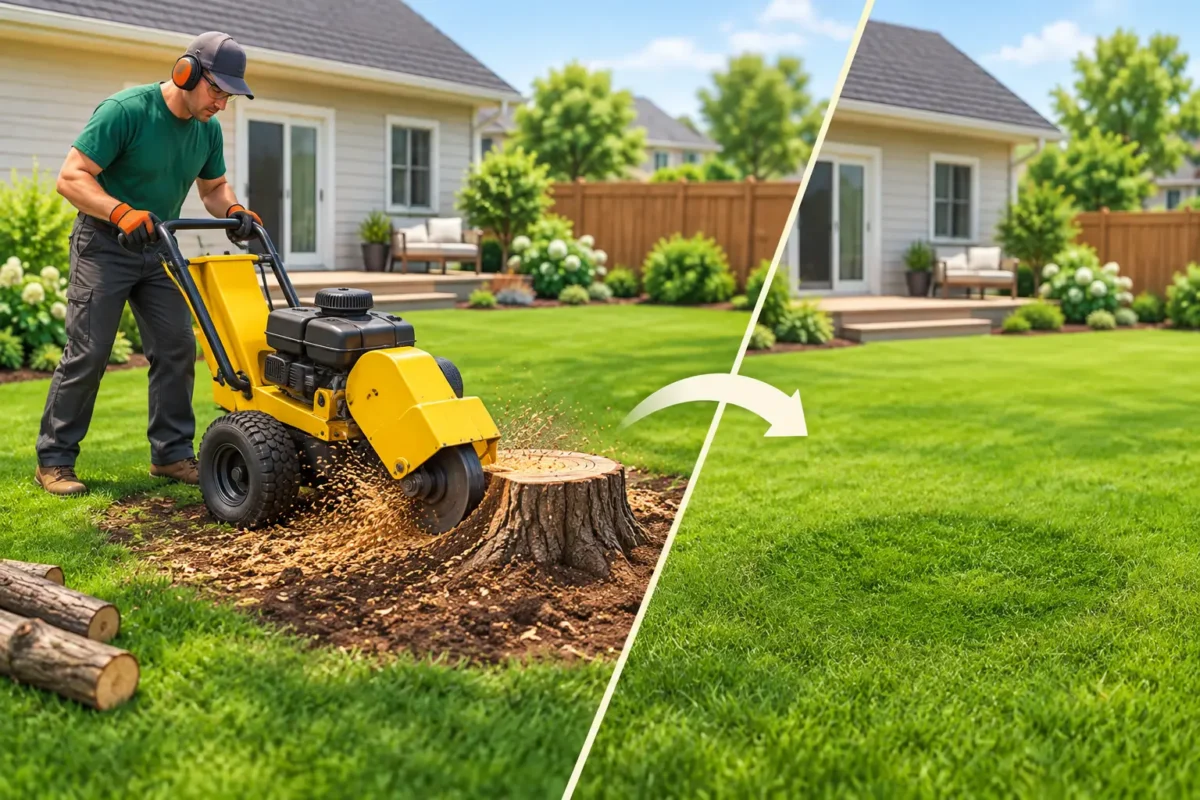
A stump can look harmless after the tree is gone. Then someone catches a foot on it, a mower blade hits a hidden root, or new shoots begin coming up around the old trunk. This stump removal homeowner guide helps you decide whether that stump can wait, whether grinding is enough, and when professional help is the safer choice for your property.
A leftover stump is not always an emergency. But it should not become an ignored obstacle either, especially if it sits near a driveway, walkway, play area, fence, or foundation. In New York, wet springs, heavy rain, and freeze-thaw cycles can make an already soft or decaying stump less predictable over time.
Start With the Safety Risk, Not the Appearance
The size of the stump matters, but its location and condition matter more. A small stump at the back edge of a wooded lot may be low priority. A stump near where your family walks, parks, mows, or plays deserves a faster plan.
Look closely before you decide to leave it in place. Decay can create soft wood, concealed holes, and loose sections below ground level. Surface roots may also remain raised after the tree is removed, creating a tripping hazard long after the stump has started to break down.
Pay closer attention if you notice four warning signs:
- The stump is soft, hollow, cracked, or covered with mushrooms.
- New shoots are growing from the stump or roots.
- It is lifting a lawn mower, edging line, sidewalk, or nearby landscaping.
- It sits near utility lines, a septic area, irrigation, or a structure.
Fungi on a stump do not automatically mean danger to every nearby tree. Still, they tell you decay is active. If the original tree was removed because of disease, ask a qualified tree professional whether the remaining wood and roots should be addressed before you plant again in the same area.
Stump Grinding vs. Full Removal
Most homeowners asking about stump removal are actually deciding between stump grinding and complete removal. They are different services, and the right answer depends on what you plan to do with the space.
When stump grinding makes sense
Stump grinding uses a specialized machine to break the visible stump down into wood chips, usually several inches below the soil surface. It is often the practical choice for a lawn, garden bed, or landscape area where you want to remove the trip hazard and restore the appearance of the yard.
Grinding is generally less disruptive than pulling the entire root system. It avoids creating a large hole, protects more of the surrounding lawn, and is typically the more affordable option. For many residential properties, it is all that is needed.
The roots are not usually removed in full during grinding. They remain underground and slowly decompose. That is rarely a problem in open lawn areas, but it can matter if you are planning to install a patio, pool, addition, driveway, or new utility line over the former tree location.
When full stump and root removal is worth it
Full removal involves digging out the stump and major roots. It is more invasive, requires more site access, and can leave an area that needs grading and new soil. It also costs more because the work is heavier and the cleanup is greater.
It can be the better option when you are building or excavating, repairing a damaged hardscape, dealing with aggressive root growth, or making room for a replacement tree. If you need clean soil for a specific project, tell the tree service before work begins. That changes how the job should be planned.
Do not assume full removal is always better. Pulling roots near a retaining wall, utility corridor, fence, or foundation can cause unnecessary disturbance. An honest recommendation weighs your plans for the property against the risk of tearing up more of the yard than necessary.
Why DIY Stump Removal Can Go Wrong
Homeowners often try to save money by digging, burning, applying chemicals, or renting a stump grinder. For a small, isolated stump with plenty of open space, rental grinding may be possible for someone comfortable with heavy equipment. But the risks rise quickly when there are roots, rocks, slopes, fences, or underground utilities involved.
A stump grinder is powerful enough to throw wood, stones, and debris at high speed. It needs stable ground, a clear work zone, and the right protective equipment. A buried rock or piece of metal can damage the machine or create a dangerous projectile. The machine can also be difficult to position on a narrow side yard or uneven grade.
Burning is not a safe shortcut. Fire can travel through decayed wood and root channels, damage nearby turf, and create a problem close to structures, fences, or dry material. Local rules may also restrict open burning. Chemical stump removers take time, do not work equally well on every species, and may not be appropriate around gardens, pets, or drainage areas.
Digging by hand sounds simple until you reach large roots. Cutting blindly into the ground can damage irrigation, cable, gas, electric, water, or sewer lines. Before any excavation or grinding, underground utilities need to be identified. Never treat a stump as an isolated piece of wood. Its root zone may overlap with systems your home depends on.
What to Expect From a Professional Stump Grinding Visit
A professional crew should first look at access, slope, stump size, surrounding structures, and what is below or around the work area. Narrow gates, rear-yard access, parked vehicles, landscape lighting, and stone borders can all affect equipment choices and price.
Before the grinder starts, move vehicles, patio furniture, toys, and fragile decorations away from the area. Keep children and pets indoors or well away from the work zone. Grinding produces noise and flying debris, even when the crew uses shields and careful operating practices.
Ask what will happen to the wood chips. Some homeowners keep them for mulch in non-vegetable landscape beds. Others want the chips removed so the area can be filled and seeded. Neither choice is wrong, but it should be clear in the estimate. Fresh stump grindings can settle as the remaining roots and wood break down, so a little additional topsoil may be needed before you restore grass.
Also ask how deep the stump will be ground. For a standard lawn repair, grinding below grade is usually enough. For a new patio, shed, driveway, or planting project, the depth and root removal requirements may be different.
Repairing the Yard After the Stump Is Gone
Once the stump is ground, remove or spread the excess chips according to your plan. Fill the area with clean topsoil, allowing for slight settling. Rake it level, add seed or sod suited to the light conditions, and keep the new grass consistently moist until it establishes.
Do not rush to plant a new tree directly in the old stump location. Old roots, compacted soil, and leftover wood can make establishment harder. Move the new planting location several feet when possible, and choose a species that fits the available space. A tree that will eventually crowd power lines, a roof, or a driveway creates a future removal problem.
If the old tree came down after storm damage, take a wider look at the yard while the crew is there. Dead limbs, hanging branches, and leaning trees can become the next emergency during high winds or heavy snow. Addressing clear hazards before the next storm is usually safer and less stressful than waiting for a midnight call.
When to Call for an Estimate
Call a licensed and insured tree service if the stump is large, close to structures, surrounded by roots, or located where equipment access is difficult. The same applies if you are unsure about utilities or want to prepare the area for construction. A free estimate should explain the recommended method, access needs, cleanup plan, and whether the quoted work includes chip removal and soil restoration.
AAA Tree Service NY has more than 26 years of experience helping property owners make practical, safety-first decisions about tree and stump work. If a stump can wait, you should be told that. If it is creating a real hazard or blocking your plans for the yard, getting it handled now can protect your property and give you back usable space.
Before you mow around that stump one more season, consider what you want the area to become. A quick professional assessment can turn an awkward, risky leftover into a clean lawn, a safer walkway, or room for the project you have been putting off.