Suffolk County Storm Damage Cleanup Tips

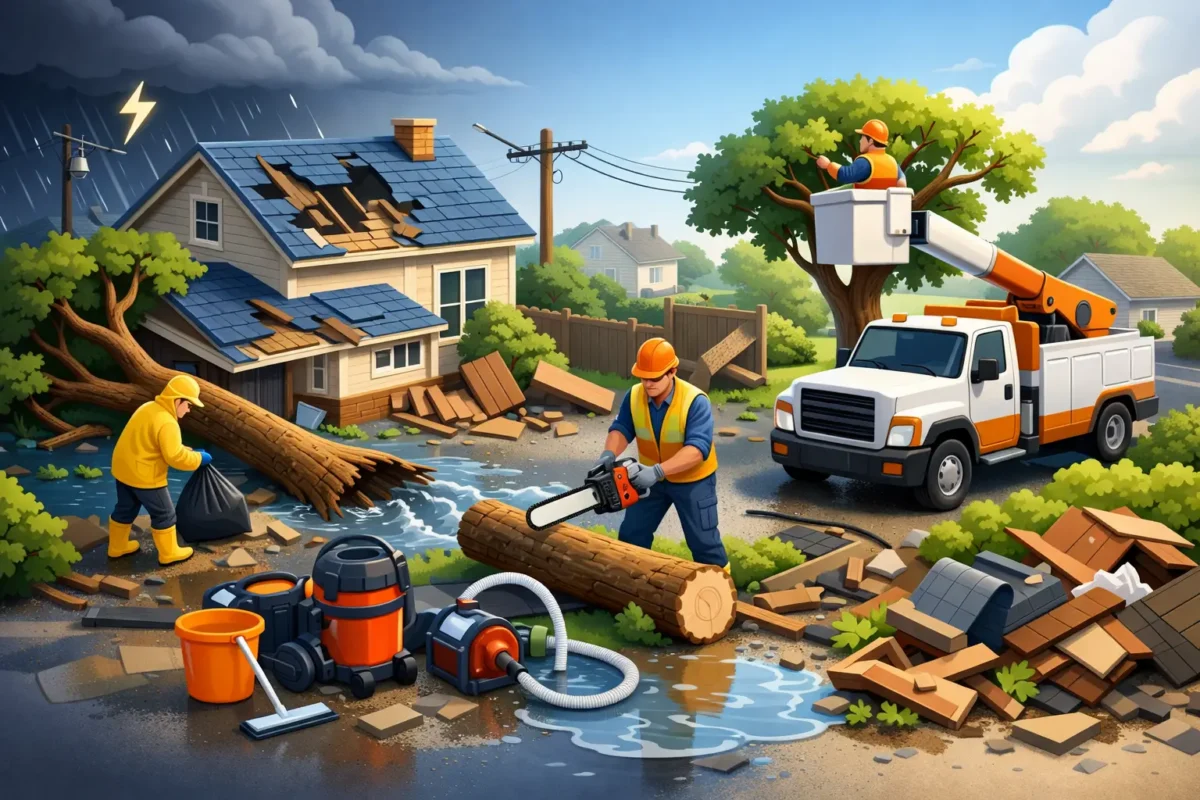
When a storm moves through Suffolk County, the damage is usually obvious fast. A split limb over the driveway, a tree leaning toward the house, branches across power lines, or debris blocking access to your property can turn a normal morning into an urgent safety problem. Suffolk County storm damage cleanup is not just about making your yard look normal again. It is about protecting your home, your family, and anyone who has to walk or work on the property.
The first thing to know is that not every mess is an emergency, but some situations absolutely are. If a tree or large limb is touching your roof, hanging over an entry point, blocking a road or driveway, or tangled with utility lines, treat that as immediate. Do not try to cut or move it yourself. Storm-damaged trees can shift without warning, and what looks stable from the ground may be one crack away from dropping.
What Suffolk County storm damage cleanup should address first
After a storm, the safest cleanup starts with a simple question: what can hurt someone right now? That means the priority is not leaves, small sticks, or cosmetic damage. The priority is unstable trees, broken limbs under tension, split trunks, uprooted root balls, and anything affecting structures, vehicles, sidewalks, or access points.
If you are walking your property, keep your distance and look before you step. Saturated ground can make a partially fallen tree less stable than it appears. A branch caught high in the canopy can drop hours later, especially if the wind picks up again. It is common for homeowners to focus on the biggest pile of debris first, but the real hazard is often the tree that is still standing.
A good storm response starts with a risk check. Look for fresh cracks in the trunk, bark peeling away, exposed roots, a sudden lean, or limbs hanging loose above where people park or enter the building. Those are the conditions that call for professional help right away.
What you can do safely before help arrives
There are a few steps you can take without putting yourself at risk. Move people and pets away from the damaged area. If a vehicle is parked under a damaged tree, leave it there until the tree hazard is assessed. Taking photos for insurance can help, especially before debris is moved. If water is entering the home because of tree damage, focus on interior protection if you can do so safely.
What you should not do matters just as much. Do not climb a ladder near broken limbs. Do not use a chainsaw on storm-damaged wood unless you have the training and equipment for that exact situation. Wood under pressure can snap, roll, or kick back hard. Do not go near downed power lines or branches touching them. Call the utility company first, then arrange tree service once the area is confirmed safe.
For smaller debris that is fully on the ground and clearly disconnected from any larger hazard, light cleanup may be fine. But if there is any doubt, wait. A short delay is better than a serious injury.
When cleanup turns into tree removal
Not every storm-damaged tree has to come down. That is where honest assessment matters. A healthy tree that lost a few outer limbs may only need pruning and cleanup. A tree with a split main trunk, major root failure, or a severe lean toward a structure may need removal because the risk is no longer reasonable.
This is one of those areas where experience matters more than guesswork. Homeowners are often told a tree is fine when it is not, or told it has to be removed when careful corrective work could save it. The right answer depends on the species, the age of the tree, how much of the canopy was lost, whether the trunk is compromised, and where the tree is positioned on the property.
In Suffolk County, coastal winds, soaked soil, and repeat storm exposure can make damaged trees more unpredictable after the first event. A tree might survive the initial storm and still fail days later. That is why post-storm cleanup should include an inspection of nearby trees, not just the one that already dropped limbs.
Signs a damaged tree may not be safe to keep
A tree often needs stronger action if the trunk is split deep into the main stem, the roots are lifting out of the ground, the canopy lost a large percentage of weight on one side, or the tree is now leaning over a house, garage, fence, or high-traffic area. Large deadwood exposed by the storm is another warning sign.
There is also the liability side. If you own a home or small commercial property, delaying work on an obviously dangerous tree can lead to bigger repair bills and harder insurance conversations later. Fast action is not about panic. It is about controlling the risk while it is still manageable.
Why fast response matters after the storm ends
A lot of property owners assume the danger is over once the wind stops. In reality, that is often when secondary failures happen. Wet soil keeps shifting. Broken limbs dry out and fall. Trees that were weakened but not fully uprooted start to lean more over the next day or two.
That is why 24/7 emergency help matters in real storm conditions. If a tree is on your roof, across your driveway, or threatening a neighboring property, waiting several days can make the job more dangerous and more expensive. Quick response helps prevent more damage and gives you a clearer picture of what can be repaired and what needs removal.
A proper cleanup crew does more than cut and haul. They assess overhead hazards, create a safe work zone, remove debris in the right order, and avoid causing more damage to lawns, fencing, driveways, or structures during removal. On larger jobs, that planning makes a big difference.
Cleanup is not just debris removal
One mistake property owners make is thinking the job is done once the branches are gone. Storm cleanup should leave the property safer than it was before. That may include pruning torn limbs back to sound wood, removing stumps or broken trunks, clearing blocked access areas, and checking nearby trees for hidden structural damage.
It may also mean deciding what does not need immediate work. A few scattered branches in the yard can wait. A tree with minor canopy damage may be a maintenance issue, not an emergency. Honest recommendations matter here. You should know what needs attention now, what can be scheduled later, and what can be monitored.
That straight answer is what many homeowners want after a storm. You already have enough to deal with. You do not need pressure. You need a clear plan.
Choosing help for Suffolk County storm damage cleanup
If you need professional cleanup, look for a company that is licensed, insured, experienced with emergency tree work, and able to respond quickly. Storm jobs are different from routine trimming. The risks are higher, the conditions are less predictable, and the wrong cut can send heavy wood into a roof, a car, or the person doing the work.
It also helps to work with a company that understands local storm patterns and common tree issues in the area. In Suffolk County, that local knowledge can affect how crews approach waterlogged soil, wind-thrown trees, and trees close to homes on tighter residential lots.
AAA Tree Service NY takes that safety-first approach seriously. With more than 26 years of experience, licensed and insured crews, free estimates, and 24/7 emergency availability, the focus stays where it should – getting the immediate hazard under control and giving you an honest assessment of what comes next.
How to lower the risk before the next storm
Storm cleanup should also tell you something about prevention. Trees rarely fail without warning. Dead limbs, poor branch structure, decay, and overextended canopies often show up before the storm exposes them. Pruning, removal of hazardous trees, and routine inspection can reduce the odds of emergency damage later.
That does not mean every large tree near a home is a problem. Many healthy trees are worth preserving and can be managed safely for years. But if a tree is already declining, leaning, or carrying deadwood over the house, waiting for the next storm is usually the expensive way to deal with it.
If your property took a hit, start with safety, not speed. Get the immediate hazards assessed, avoid do-it-yourself cuts on unstable wood, and make your next decision based on risk, not appearance. A clean yard is good. A safe property is better.