
What Can I Do About My Neighbors Tree Branches?

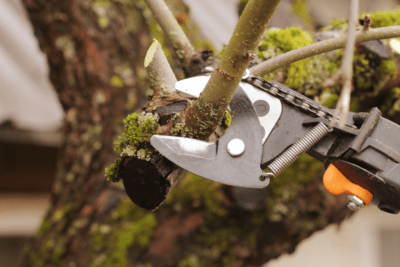
What Can I Do About My Neighbors Tree Branches Overhanging Neighbors Tree Branches Overhanging My Property Pass Line in New York? What can I do about my neighbors tree branched? If your neighbor’s tree is overhanging your home, it could pose a serious safety hazard. The tree branch may fall during a storm and cause damage to your home. If the tree branch is healthy, your neighbor will not be held responsible, but if the limb is diseased or has fallen off, you may be held responsible.
You can file a legal complaint
if you think your neighbor’s tree branches are interfering with your use and enjoyment of your property. In most cases, it is possible to have the tree removed by a court order. Alternatively, if your neighbors refuse to remove the branches, you can contact your city to ask them to do so. Depending on your state laws, you might even be able to get the municipality to remove the tree Branches for you.
1-There are several legal options
available if you’re bothered by your neighbor’s tree. First, you can ask the courts to order the removal of the tree. A court can order a neighbor to remove the tree if it interferes with the use of their property. Another option is requesting that your city take action against your neighbor. However, you should be aware of the fact that your neighbor has the right to remove the tree branches who pass property line if it is causing damage to your property.
2-Second, you can talk your neighbor
if you see the branches hanging over the property line. In most cases, if the tree is causing serious damage to your neighbor’s property, you can best thing ask firs Often, the neighbor will be ordered to remove the encroaching branches. If the damage is too severe, your neighbors may sue you. If your neighbor did not plant the tree, he or she may be liable.
3-Another option for legal action
is to ask your neighbor in some states the property owner is Not responsible for tree branches passing over other neighbors properties to cut the tree limbs on their own property. Cutting down trees roots is the most common way to get a trespass order. Sometimes, if your neighbor’s tree is too tall, you can ask a court to force them to remove the tree. If your neighbor doesn’t want to make the decision, you can take other legal steps action
If you want to pursue
legal action, you can ask the neighbor to cut off the tree Branches. If your neighbor does not agree, you can also ask them to remove the entire tree. But in any case, it is essential to check with your neighbor first before taking legal action. It is very important to avoid any trespass actions. Just remember that a over tree branches can lead to a messy and costly situation
4-What Can I Do If My Neighbor’s Tree Is Overhanging My Yard?
You may think that trimming a tree is not a big deal, but it can lead to a legal battle. The person who cuts the tree’s roots or treats the tree with chemicals can be held responsible for any damage. This is true if the tree’s limbs or trunk cause gutter blockages or clog sewer lines. You may even be held liable if the tree becomes unsafe due to a cracked trunk or broken limb.
5-If the tree is dangerous, you can
sue the neighbor for damages. You must prove that the tree is a hazard, and you must prove that it will affect your neighbor’s property. Otherwise, you could lose your property rights altogether. If your neighbor is not willing to make repairs, you can try contacting the city or county for more information about tree laws. This is also a way to get the tree removed.
6-A tree that is causing problems
is a big nuisance. Your neighbor may own the tree, but you might not. You may feel the need to cut down or trim down a tree that’s interfering with your yard’s function. But you need to consider all the consequences before you cut down your neighbor’s tree. A professional tree care provider can safely and effectively prune your neighbor’s tree. These professionals will have the necessary equipment and training to properly trim and protect your property. This will help you put your mind at ease and avoid any legal issues
7-What Can I Do If It’s a City Tree Not in My Private Property?
First, you can contact the city’s tree-removal department. You can also look up a certified arborist in your area. They will be able to help you determine what the best course of action is for your tree. If you feel that the tree is threatening your property, you should contact the 311 Call Center immediately. You should inform your neighbor of your legal rights. for Neighbors Tree Branches Overhanging
8-If the tree is a public tree, you
cannot touch it. If it’s a private tree, you can only touch it if it’s causing you harm. If the tree is in your private property, you can only remove it with a permit from the Urban or your local city if You get permit. However, if the tree is specific species or poses a safety or health risk to the public, you must contact the Urban Forester to obtain a permit before removing it.
If you feel that a city tree is threatening your property, you can ask the city government for permission to remove it. In most cases, you will need a permit for any tree removal, but if you want the tree to stay, you must contact the city government. In many cases, they will remove the tree for free. You can also ask the city government to remove the tree, especially if it is on your private property. Neighbors Tree Branches Overhanging Long island New York
9-some cities My has the right
to enter private property to remove a tree. If it’s not on your property, but it is threatening public safety, they may want to remove the tree and any branches. In some cases, the city will remove the tree and any branches in a timely manner. You can only get a order after you provide proof that the tree is a threat.
If the tree is in your private property, but is on a neighbor’s property, the city can remove it. You can also report the tree if it is in your neighbor’s private property. If you can prove that it’s a nuisance, you should report it immediately. If it’s a hazard, you can ask the city to remove it. Neighbors Tree Branches Overhanging in Long island new York
10-In case the tree is dangerous, you
can ask if the tree is in your neighbor’s private property, the city will not remove it. If the hazard is on a public property, you may need to have the same trees removed. If it’s on your private property, the best thing is to ask question about who can take care of the tree most cases if is in your property you may need to permit some cities Not require a permit for example in garden city Nassau County new
York if You remove 1 tree you don’t need permits
But rules can change every year best thing always ask before removal or tree companies are updating about tree permits for example in Huntington Suffolk County new York You need a permit to cut down trees in queens County NY Flushing if is in Your property You don’t need permits But if is close to the road probably is a city tree to stay safe ask first before removing it to hire a tree Guys for estimate